
5 coverage gaps in a typical restaurant depot policy
A typical commercial policy for a restaurant depot or cash-and-carry warehouse has five common gaps: nothing for stock that spoils when a freezer breaks down, nothing for stolen cash or employee theft, stock insured at its average value instead of its peak, forklifts that sit outside the property coverage, and a sprinkler condition that can void fire cover. Each one comes down to a single line in your policy and a question for your agent.
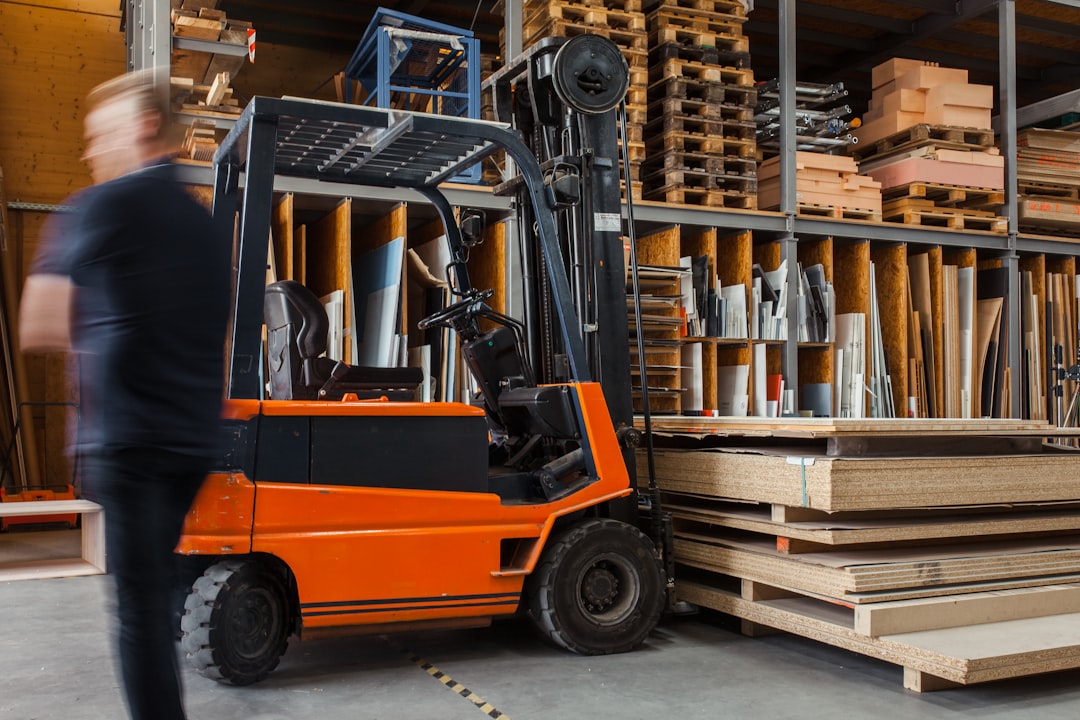
- Gaps hide in four places: coverage you do not have, a limit set too low, coverage that sits on a different form, and a condition that can void cover.
- Spoiled stock, stolen cash and forklifts are each something a policy may leave out unless it is added or scheduled.
- Stock is paid against its value on the day of the loss, so a limit based on your average month can leave you short in your busiest one.
Gap 1: Does my policy pay when the walk-in breaks down and the stock spoils?
Often not. Paying to fix a broken compressor and paying for the food that spoiled while it was down are two different coverages, and a basic property policy may include neither.
Coverage for a machine that breaks down on its own, such as a compressor or a control panel, is what insurers call equipment breakdown. One insurer's consumer guide says it pays to repair or replace covered equipment and may also cover food spoilage resulting from the loss. (Source: Progressive) Coverage that pays for the stock itself is spoilage coverageSpoilage Coverage An add-on to a property policy that pays for stock that spoils when refrigeration fails or the power goes out. Insurers call it spoilage coverage. more →. It usually has its own limit and deductible, and a power cut that starts at the utility may need an extension, so check the trigger as well as the number.
A depot holds far more cold stock than a restaurant does, so the limit matters more. See the full list of coverages a depot needs, how cold-chain insurance for food distributors treats the same exposure, and how property coverage works.
What to say to your agent. “Show me where spoilage and equipment breakdown are written, what the limit is for all my walk-ins and freezers together, and whether a power cut outside my building counts.”
Gap 2: Am I covered if cash or stock is stolen by someone I trust?
Usually not on a property policy alone. Theft by an employee, and money taken from the registers or the office, are generally covered by a separate coverage that insurers call crime coverageCrime Coverage Coverage for money and goods stolen by an employee, a robber or a forger, which the standard property and liability package does not include. Insurers call it crime coverage. more →.
One broker's guide says commercial property insurance typically does not cover losses caused by employee theft or dishonesty, and that a crime policy is designed for employee theft of money, inventory and equipment, along with forgery and funds-transfer fraud. (Source: Insureon) No public loss data exists for cash theft at wholesale stores, so treat this as an exposure to price, not a statistic.
What to say to your agent. “Is employee theft on my policy, what is the limit for cash on the premises and in transit to the bank, and does it cover theft of stock from the warehouse?”
Gap 3: Is my stock insured for its average value or its busiest-month value?
Insured at the average, the policy can leave you short at the peak. Stock is valued on the day of a loss, and a rule in the policy cuts the payout if the limit is too low for that day.
That rule makes you insure property for a set share of its value or have the payout reduced; insurers call it coinsuranceCoinsurance A property-policy rule that requires you to insure for a set share of your property's value, or the insurer cuts your payout. Insurers call this coinsurance. more →. A state insurance regulator explains that the cut is based on the ratio of the limit you carry to the limit the policy requires. (Source: Maine Bureau of Insurance) Here is a common 80% rule, with the stock insured at its average and a loss that lands at the peak.
| What happens | Amount | Insurer pays | You pay |
|---|---|---|---|
| Stock value in the busiest month | $500K | ||
| The rule requires insuring at least 80% of that (80% × $500K) | $400K | ||
| You insured the stock at its average value | $300K | ||
| So the insurer pays 75% of any loss ($300K ÷ $400K) | 75% | ||
| Your deductible | $5K | ||
| A $100K loss at the peak: the insurer pays its share less the deductible, you pay the rest (75% × $100K − $5K = $70K) | $100K | $70K | $30K |
Illustration only, with round numbers. It is not a statement of what any policy pays; your own policy wording governs.
Some forms let you report stock values monthly or add a higher limit for the busy season, and the rules differ by form. Read what the contents of your business cover, and ask your agent how your form treats a peak. Our guide to whether your coverage is enough shows how to test the other limits.
What to say to your agent. “What was my stock worth in the busiest month, what percentage does the policy require, and can the limit follow the peak?”
Gap 4: Are my forklifts and other power equipment covered at all?
Not always. A policy written for the building and its contents can treat a forklift as neither, and equipment that is owned, leased or brought in by others each follows its own rule.
Equipment you own is usually insured either as property, if it is listed, or under a form for movable equipment that insurers call inland marineInland Marine Coverage for business property that moves or sits away from your premises, such as tools, equipment, or goods in transit. Insurers call it inland marine. more →. Leased machines are often the lessor's to insure or yours by contract. The same machines drive your liability exposure: federal rules say an employer must make sure each forklift operator is trained and evaluated, with the operator's performance rechecked at least every three years. (Source: OSHA) Expect an underwriter to ask for those records and to ask how customers are kept apart from the forklift lanes.
Compare equipment and goods-in-transit coverage with your property form, and see five insurance mistakes restaurant depot owners make.
What to say to your agent. “Is each forklift and pallet jack listed with a value, what happens to one a vendor or a rental company brings in, and does the policy ask for operator training records?”
Gap 5: Could my sprinkler system not matching my stock void my fire coverage?
It can. A protective safeguard endorsementProtective Safeguard Endorsement A policy add-on requiring you to keep named safety systems, such as sprinklers or a monitored alarm, working, or the insurer may deny a related claim. Insurers call it a protective safeguard endorsement. more → makes fire cover depend on keeping a named system, usually the sprinklers, working, and tall stacked stock is where a system can fall out of step.
In the standard form, a sprinkler system can be listed as a safeguard that must be kept in complete working order; if the conditions are not met, the form says there is no coverage for fire loss, and you must notify the insurer if you know a listed safeguard is suspended or impaired. (Source: International Risk Management Institute, January 2025) The model fire code applies extra rules to closely packed storage above 12 feet, or 6 feet for high-hazard goods, and a sprinkler design is matched to the storage height and the type of goods. (Source: 2021 International Fire Code, chapter 32, as adopted by a local jurisdiction) Many places use a different edition or code, so your local fire marshal confirms the trigger.
What to say to your agent. “Which safeguards are on my schedule, and if I raise the racking or change what I stock, who do I tell and when?”
Common questions about restaurant depot coverage gaps
Ask your agent to point to each item on your declarations page and the list of forms attached to your policy, with the limit beside it. If a line does not exist, that is the gap.
Usually not. An umbrella adds liability limits on top of your other policies. It does not add spoilage cover, theft cover, a higher stock limit or a fix for a sprinkler condition.
Cars you do not own are a separate question from the five above. Coverage for them is added to a business auto policy; ask your agent whether yours reaches staff cars on delivery runs.
Usually yes for coverage you add, because it pays for a new risk. Ask for the price of each fix separately so you can decide which ones are worth it.
Find the gaps in your restaurant depot policy
Send us your current policy and we will mark which of these five it has, and what the fix would look like.