
I own a restaurant depot — what insurance do I need?
A restaurant depot, or cash-and-carry warehouse, needs six core coverages: general liability, for a customer hurt among the pallets and forklifts; commercial property, for the building, racking, refrigeration and stock; inland marine, for the forklifts and other power equipment you own; equipment breakdown and spoilage, for a freezer or walk-in that fails and spoils the stock; business income, for the income you lose while closed after covered damage; and workers' comp, for staff hurt on the job. Three more depend on the depot: commercial auto if you deliver with your own trucks, product liability if you sell goods under your own label, and liquor liability if you sell alcohol. An umbrella is the common add-on, for a lease or lender that asks for higher limits.
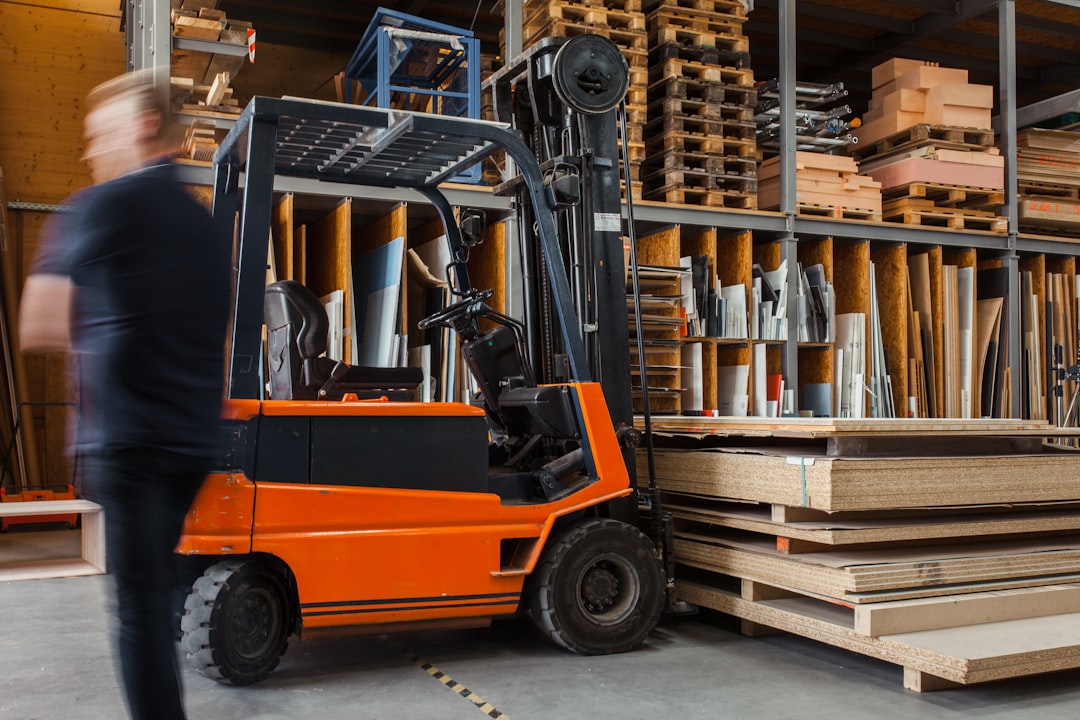
- Six core coverages carry most depots: general liability, commercial property, inland marine for forklifts, equipment breakdown and spoilage, business income and workers' comp.
- Customers on the floor among forklifts and pallets is the first thing an insurer asks about, and stock is insured at its peak value, not its average.
- Delivery trucks, goods under your own label and alcohol sales each add a coverage of their own: commercial auto, product liability and liquor liability. An umbrella is the common add-on.
What happens when a customer is hurt on the warehouse floor?
Your liability coverage is designed to pay for your defense and for a covered claim when a customer or visitor is hurt at your depot, for example by a falling carton or a moving pallet jack. It is the first policy a landlord asks to see, and the first thing an insurer asks about is how customers and forklifts share the floor.
Coverage for injuries and damage your business causes to other people is what insurers call general liabilityGeneral Liability (GL) Coverage for injuries and property damage your business causes to other people, plus certain advertising claims. Insurers call it general liability. more →.
Forklift safety rules protect your employees, not shoppers, so they do not answer the customer question; your policy does. Still, they show what an insurer looks for: OSHA requires each forklift operator to be trained and evaluated at least once every three years. (Source: OSHA) The model fire code also sets aisles at least 96 inches wide in high-piled storage areas open to the public where stock is moved by machine. (Source: 2021 International Fire Code, chapter 32, as adopted by a local jurisdiction) Many places use a different edition or a different model code, so your local fire marshal confirms the rule that applies to you.
You probably need this if the public or other businesses can walk your floor. Here is how liability coverage works.
What does the building, racking and stock need?
Property coverage for what you would replace after a fire: the building if you own it, the racking, the refrigeration, the forklift chargers and the stock. Insure the stock at its peak value, the week before a holiday rush, not its yearly average.
The things inside your business that you would have to replace are what insurers call business personal propertyBusiness Personal Property (BPP) The things inside your business you would have to replace after a loss, such as furniture, equipment, inventory, and supplies. Insurers call this business personal property. more →. A limit set at your average stock can leave you short in your busiest week, and some policies let you report your stock value on a schedule so the limit follows it; ask your agent how yours works. Our guide to business personal property shows what counts.
Fire is the large exposure in a warehouse. Across 2020 to 2024, US fire departments responded to an estimated average of 1,544 warehouse fires a year, with $314 million in direct property damage. (Source: NFPA) That report counts only properties whose main use is warehousing and leaves out retail-attached and refrigerated storage, so treat it as a stand-in for your storage space, not a count of depots.
Tall storage raises two questions. The model fire code treats stock stacked above 12 feet, or 6 feet for high-hazard goods, as high-piled storage with its own sprinkler and aisle rules. (Source: 2021 International Fire Code, chapter 32, as adopted by a local jurisdiction) Your insurer may also ask whether the sprinklers were designed for the height and kind of stock you actually hold. Read your property coverage with both in mind.
You probably need this if you own any racking, refrigeration or inventory, or paid for improvements to a leased warehouse.
Do I need workers' comp?
Almost certainly, if you have employees. Most states require it, and in a warehouse with forklifts and heavy lifting it is a large line on the bill because it is priced on payroll and on the kind of work.
Insurance that pays an employee's medical bills and lost wages after a work injury is workers' compensationWorkers' Compensation Insurance that pays medical bills and lost wages when an employee is hurt or sick because of work. Insurers call it workers' compensation. more →, and everyone calls it workers' comp. Grocery and related product wholesalers recorded 4.2 injury and illness cases per 100 full-time workers in 2024 (Source: Bureau of Labor Statistics), against 2.3 across all private industry. (Source: Bureau of Labor Statistics) A depot has no rate of its own in that data; warehousing recorded 4.8.
Owners who work the floor can count toward a state's headcount, and each state sets who must carry it. Start with the state workers' comp laws, and here is what workers' comp covers.
You probably need this if anyone besides you is on your payroll.
What about the forklifts and the freezers?
Two separate coverages. One pays to repair or replace the forklifts and power equipment you own. The other pays for stock that spoils when a walk-in or freezer room stops working. A standard property policy often leaves both out.
The forklifts. Owned equipment is usually insured as property, or under coverage for business equipment that moves or sits away from a fixed address, which insurers call inland marineInland Marine Coverage for business property that moves or sits away from your premises, such as tools, equipment, or goods in transit. Insurers call it inland marine. more →. OSHA calls forklifts powered industrial trucks and requires every operator to be trained. (Source: OSHA)
The freezers. Coverage that pays for perishable stock lost when refrigeration breaks down or the power goes out is spoilage coverageSpoilage Coverage An add-on to a property policy that pays for stock that spoils when refrigeration fails or the power goes out. Insurers call it spoilage coverage. more →. A separate coverage, usually called equipment breakdown, pays to repair the cooler or compressor itself. A policy with only the second can fix the unit and leave the stock unpaid, and a spoilage add-on may require a service agreement on the equipment or have a waiting period. Check the limit and what starts it; cold-chain insurance for food wholesalers goes further.
You probably need this if you own forklifts or pallet jacks, or hold frozen or refrigerated stock. See inland marine coverage.
What if I have to close?
Coverage for lost income pays the profit you would have made and the bills that keep coming, such as rent, payroll and loan payments, while you are closed to repair damage your property policy covers. It is usually added to the property policy, and insurers call it business interruption.
Warehouse fires do the most damage when no one is there. Between midnight and 6 a.m. they were 18% of fires but 40% of property damage. (Source: NFPA) A large loss can keep a depot closed for months while your restaurant customers shop elsewhere. Check how long income coverage pays, how long it waits before it starts, and whether spoiled stock sits under it or under a separate limit.
You probably need this if a month without sales would strain your rent, payroll or loan payments.
What else might I need?
Three coverages depend on how you operate, and one is a common add-on: commercial auto if you deliver, product liability for goods under your own label, liquor liability if you sell alcohol, and an umbrella on top of it all.
Delivery. If you deliver with your own trucks, you need commercial auto coverage and a list of your drivers. If staff use their own cars for deliveries or errands, coverage for vehicles your business does not own is usually added to your liability program, because the business can be liable when an employee drives on a work errand. (Source: Triple-I) You probably need this if anything leaves the dock under your name.
Your own label. When your name is on the label, you answer for the product. Goods sold under your label are a question for product liability coverage, and imports add the question of who legally brings the goods in.
Alcohol. If you sell alcohol, including cooking wine, tell your agent; liquor liability is a separate policy for claims from serving or selling it.
An umbrella. Extra liability coverage on top of your other policies, which pays when a serious claim runs past their limits; insurers call it an umbrella. You probably need this if a lease or lender asks for higher limits than your base policy carries. Your customers are restaurants; see the restaurant side.
To check your limits, see is this enough coverage? To price it, start with what to prepare for a restaurant depot quote and what restaurant depot insurance costs.
Common questions about what insurance a restaurant depot needs
It can. The split between business and public sales can change how your workers' comp is classified, and more shoppers in the building raises the customer-injury exposure an insurer sees. Give your agent the split in percentages.
Often not. A standard liability policy generally leaves out liquor claims for a business that sells alcohol, so it usually takes a separate policy. Ask your agent to show you where it is written.
Your trucks and drivers need auto coverage, and staff who use their own cars need coverage for vehicles you do not own. Tell your agent before the first delivery, not after.
Find out which of these your depot actually needs
Tell us about your warehouse, your freezers and your forklifts, or send us your current policies, and we will show you which coverages fit and where the gaps are.