
What do I need to prepare for a food manufacturing insurance quote?
A food manufacturing insurance quote starts with what you make, what you sell, your plant and your records. The table below lists each item, why the insurer asks and where to find it. With it ready, an agent can price the six core commercial coverages for a food maker with fewer follow-up questions.
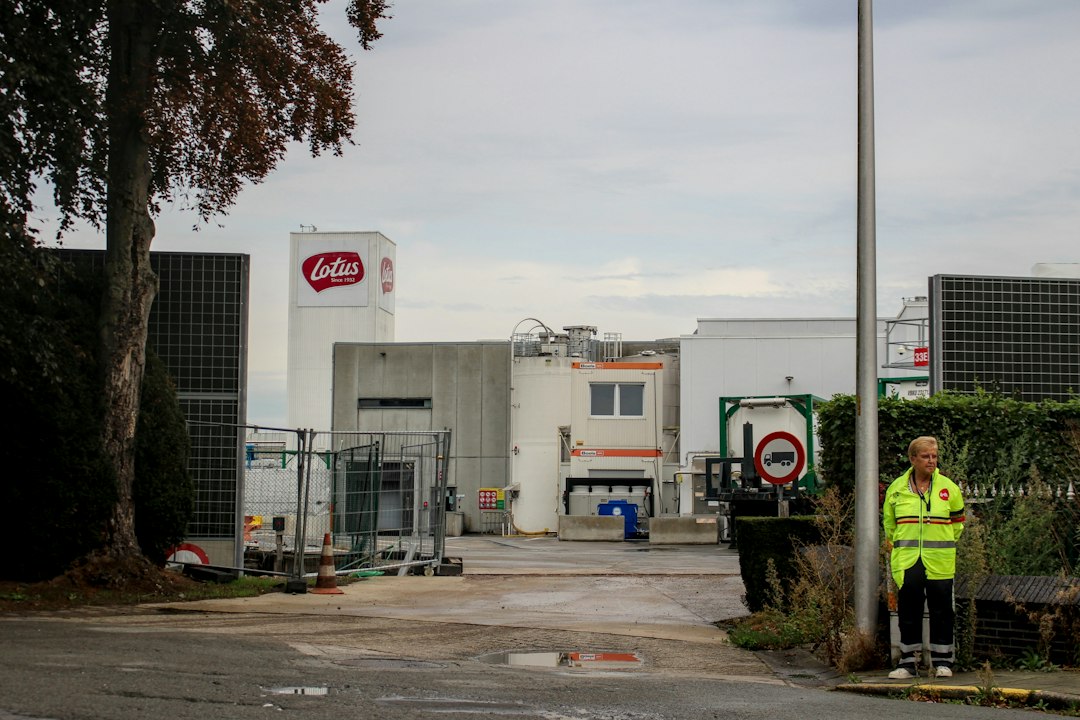 Photo by Robin Vintevogel
on Unsplash
- What you make and how far it ships decide which insurers can quote you at all. Start the list there.
- Your food-safety plan, recall plan, claims history and customer insurance pages do the most to move a quote. If one is missing, write it before you apply.
- Every answer should match a document. Anything an insurer finds that you left out can put a claim at risk.
What should you have ready before you ask for a quote?
Have the basics, then the plant, the food-safety records, the contracts and the claims history. The basics are your state, years in business, annual sales, current insurer and renewal date. Print the table and tick each row.
| What to have ready | Why they ask | Where to find it |
|---|---|---|
| Products: each one's share of sales, with supplements, infant food, raw seafood, alcohol or hemp flagged | Some products narrow the market or close it | Your product and price list |
| Product type: shelf-stable, refrigerated, frozen, beverage or bakery, and any meat, poultry, egg or seafood work | Sets the hazard and which agency inspects you | Registration papers, label list |
| Your role: own brand, a co-packer (a plant that makes food for other brands), or both. | Decides whose recall it is | Customer contracts |
| Sales: yearly total, split by buyer type, with your top customers | Insurers ask for sales for liability; contracts set limits | Last year's profit and loss report |
| Reach: the states you ship to and any exports. | A recall grows with where the product went | Sales by ship-to state |
| The plant: owned or leased, square feet, year built, sprinklers, ammonia refrigeration, wastewater discharge. | Sets fire and pollution risk | Lease, building records, discharge permit |
| Allergens: a list by product line, shared lines, cleaning between runs, label checks. | A label error can cause a recall with no one hurt | Your written food-safety plan |
| Food-safety plan, latest outside audit and score, latest inspection and any citations. | The baseline an insurer expects | Audit report, inspection letters |
| Recall plan, your last practice recall and its result, and any past recall. | A past recall weighs heavily | Your recall file |
| Tracing: can you follow an ingredient lot to customers and back, and how long does it take? | Fast tracing can narrow a recall | A practice trace, or your lot records |
| Refrigeration: units, age, service contract, alarms, backup power and peak stock value | The spoilage coverageSpoilage Coverage An add-on to a property policy that pays for stock that spoils when refrigeration fails or the power goes out. Insurers call it spoilage coverage. more → limit should match peak stock | Service logs, inventory reports |
| Equipment: value by line, and how long a key machine takes to replace | Sets the property limit and how long a shutdown could last | Invoices, dealer quotes |
| Payroll by job: production, warehouse, drivers and office, with part-time, seasonal and temp staff noted | Workers' comp is priced on payroll by type of work | Payroll reports, last audit |
| Delivery: your own trucks (number, radius, drivers) or hired carriers, and any refrigerated trucks | Sets auto, goods-in-transit and spoilage-in-transit cover | Vehicle and driver list |
| Customer insurance pages: limits, who must be named on your policy, recall and notice of cancellation | Your contracts set your real limits | The insurance section of each vendor agreement |
| Suppliers: approved list, their insurance certificates, who imports each imported ingredient. | Lets an insurer recover from a supplier at fault; one shutting down can stop you | Purchasing files |
| Claims history: five years of reports, a short note on each claim, any gap in coverage or non-renewal. | Shows how often and how large | Each prior insurer, or your current agent |
FDA requires domestic food facilities to register, and the registration is renewed every other year. Keep the confirmation with this list. (Source: FDA) For a shorter list that fits any business, see what to prepare for a business insurance quote.
What if you don't have one of these?
Make it before you apply, or tell the agent plainly that it does not exist yet. A missing document slows the quote. An item you leave out can cost you at claim time.
- No written food-safety plan: write one and date it. A plan lists what could make your food unsafe and how you prevent, check and fix it. An insurer cannot price what is not written down. The person who decides whether to offer coverage, and at what price, is the underwriter.
- No supplier approvals: list your ingredient suppliers and ask each for proof of its insurance. Start with the ones that supply allergens or anything that goes in raw.
- No recall plan: write down who decides to pull product, who calls customers, and how you trace a lot. Then run one practice recall and keep the result. Our guide to recall and contamination insurance explains what the coverage pays for.
- No claims reports: ask your current agent or each prior insurer for a loss runLoss History / Loss Run Your record of past claims, and the report from your insurer, usually covering five years, that lists them. Insurers call the record loss history and the report a loss run. more →. If you had a recall or a past non-renewal, add a short note on what happened and what you changed. A past recall does not by itself make a plant uninsurable.
If you make food for other brands, bring the contracts as well. They say who carries the cost of a recall, and the insurer reads them. Our guide to co-packer contract insurance covers that side.
What makes your information easy to quote?
Answers that match your documents. An insurer that finds a number in your sales report that differs from your application has a reason to stop and ask, or to price high.
- Sales and payroll that match your tax returns and payroll reports. Both get checked again after the year ends in a review called a premium audit, so understating them only moves the bill to the end of the year.
- Tracing records that work. FDA's food traceability rule asks makers of certain foods to keep lot records, and FDA has said it will not enforce it before July 20, 2028. (Source: FDA) An insurer asks for your tracing record now, so keep one.
- Customer insurance pages attached, so the quote is built to meet them. Often, your landlord and lender will have specific insurance requirements you must meet to stay in compliance; send those pages too.
- One short note on any claim, recall or citation: what happened and what changed.
Anvo writes food makers and packers that sell to stores, restaurants or distributors, including newer businesses that are already selling and co-packers. We do not write a home kitchen or a plant that makes anything other than food. We are an independent agency licensed in Kansas, Missouri, New York, Pennsylvania and Massachusetts. Send what you have through the food manufacturing quote form, or call +1 (913) 845-9688. Not sure how insurers will see your plant? Read why food makers are hard to insure first, or see which coverages a food maker needs.
Frequently asked questions about preparing a food manufacturing quote
No. Your products, annual sales, states shipped to, current insurer and renewal date are enough for a first look. The rest sets the price and keeps surprises out of the claim later.
Add your contracts with those brands, a list of customers, and what runs on shared lines. The contracts decide who pays for a recall, so an insurer reads them before it prices you.
Not by itself. It can change which insurers look at you, and a written note on what you fixed helps. Hiding it is the real risk, because an insurer that finds it later can cancel the policy or deny a related claim. Check your policy wording and ask your agent.
Have your list ready? Send it over.
Send the rows you have and tell us which are missing. Send what you have with a quote request.