
Commercial Insurance Guides & Analysis
Practical guides on coverage requirements, market conditions, and program design — written for business owners and operators, not insurance professionals.
The essential guide for each industry

Asian & Specialty Food Importer Insurance: A Complete Guide
How food importers insure ocean cargo, spoilage, product recall, and the product liability they carry as the...
New-Authority Trucking Insurance: First-Year Costs, the BMC-91 Sequence, and Why Most Standard Markets Decline
New-authority trucking insurance explained: why first-year premiums carry a 25–50% surcharge, the...

Restaurant Catering & Off-Premise Event Insurance: Off-Site Liability, Liquor License Geography, and the Coverage Gaps Caterers Miss
Restaurant catering and off-premise event insurance covers off-site liability, hired-and-non-owned auto,...

Boutique Hotel Insurance: Heritage Property Valuation, Soft-Brand Requirements, and the Five Coverage Gaps Independents Miss
Boutique hotel insurance covering heritage property valuation, ordinance & law, soft-brand collection...

AI Company Insurance: Tech E&O, Cyber, and the Coverage Gaps Specific to AI Products
AI company insurance explained — why standard tech E&O and cyber policies now exclude AI, the exposures...

Co-Packer & Contract Manufacturing Insurance: What You Actually Need
Why co-packers and contract food manufacturers carry shared product liability, what supply contracts require,...

Acupuncture Insurance: Coverage, Cost, and Why Individual Malpractice Matters
What insurance an acupuncture practice needs — professional liability for needle, infection, and pneumothorax...
Acupuncture Insurance: Coverage, Cost, and Why Individual Malpractice Matters
What insurance an acupuncture practice needs — professional liability for needle, infection, and pneumothorax exposure, general liability, BOP, cost ranges, and why an individual policy matters.
→
Allied Health Insurance Requirements by State
What acupuncturists, chiropractors, and physical therapists are required to carry -- state licensing-board malpractice minimums, workers' compensation rules, and lease and payer-network requirements.
→
How Much Does Allied Health Practice Insurance Cost in 2026?
2026 insurance cost ranges for acupuncture, chiropractic, and physical therapy practices — professional liability, BOP, and the cost difference between single-modality and multidisciplinary clinics.
→
Allied Health Practice Insurance: The Complete Guide for Acupuncture, Chiropractic & Physical Therapy
What insurance do allied health practices need? Malpractice and professional liability, general liability, property, and workers' comp for acupuncturists, chiropractors, and physical therapists — plus 2026 cost ranges and the multidisciplinary-practice rules.
→
Co-Packer & Contract Manufacturing Insurance: What You Actually Need
Why co-packers and contract food manufacturers carry shared product liability, what supply contracts require, and how to avoid relying on a brand owner's policy.
→
Cold Chain & Refrigerated Food Manufacturing Insurance
Why refrigerated and cold-chain food manufacturers need spoilage, equipment breakdown, and business interruption coverage that standard property policies miss — and how it's priced.
→
Food Manufacturing Insurance Market Guide: Carrier Appetite & Placement
Who actually writes food manufacturing insurance, how carrier appetite differs by product type, which operations get declined, and how an independent broker places the account that fits.
→
Food Manufacturing Insurance Claims Guide: Recalls, Contamination, and What to Do
How food manufacturing insurance claims work — the recall process, FDA and FSIS classifications and timelines, common denial reasons, and how to manage a contamination or recall claim.
→
How Much Does Food Manufacturing Insurance Cost in 2026?
Food manufacturing insurance cost ranges for 2026 by business size and product type, the premium drivers that move your quote, and how to price product liability, recall, property, and workers' comp.
→
Food Manufacturing Insurance FAQ: 25 Common Questions Answered
Clear answers to the most common food manufacturing insurance questions — coverages, cost, product recall, allergen and contamination liability, retailer requirements, and workers' comp.
→
Food Manufacturing Insurance Requirements by State
What food manufacturers are legally and contractually required to carry: state workers' compensation rules, FDA FSMA obligations, and the retailer and lender requirements that often set your real limits.
→
Product Recall & Contamination Insurance for Food Manufacturers
Why product recall and contamination coverage is separate from general liability, what it actually pays for, who needs it, and how recall premiums are priced.
→
Food Manufacturing Insurance: The Complete Guide to Coverage, Cost, and Compliance
What insurance do food manufacturers need? Required and recommended coverages, product recall exposure, 2026 cost ranges, FSMA and retailer requirements, and how to build a program that fits.
→
AI Company Insurance: Tech E&O, Cyber, and the Coverage Gaps Specific to AI Products
AI company insurance explained — why standard tech E&O and cyber policies now exclude AI, the exposures underwriters scrutinize, affirmative AI coverage, and costs. Reviewed June 2026.
→
Tech & SaaS Insurance Market Guide: Carrier Appetite, Underwriting Red Lines, and How Software Coverage Gets Placed
Who actually writes tech and SaaS insurance — specialty insurtech MGAs, standard-market technology programs, and E&S. Carrier appetite, red lines, and how placement works. Reviewed June 2026.
→
Tech & SaaS Insurance FAQ: 21 Common Questions Answered
Answers to the most common tech and SaaS insurance questions — requirements, cost, coverage gaps, claims, and the carrier market for software companies. Reviewed June 2026.
→
Tech & SaaS Insurance Claims Guide: Cyber, Tech E&O, and D&O Claim Response
Tech and SaaS insurance claims: the cyber breach response timeline, tech E&O and D&O claim mechanics, notification deadlines, and the mistakes that sink claims.
→
Tech & SaaS Insurance Cost 2026: Premiums by Stage and What Drives Your Price
Tech and SaaS insurance costs $5,000–$250,000+ per year by company stage. 2026 premium benchmarks for cyber, tech E&O, and D&O, plus the drivers that move your price.
→
Tech & SaaS Insurance Requirements by State: Statutory, Contractual, and Investor Standards
What software and SaaS companies are required to carry — state data-breach laws, state privacy statutes, customer MSAs, SOC 2, and venture term sheet requirements — explained.
→
Tech & SaaS Insurance: Coverage, Cost & Risk — The Complete Guide
Tech and SaaS insurance explained: the coverages software companies need — technology E&O, cyber liability, D&O, and EPLI — with 2026 cost ranges and requirements.
→
Asian & Specialty Food Importer Insurance: A Complete Guide
How food importers insure ocean cargo, spoilage, product recall, and the product liability they carry as the importer of record under FSMA. A complete coverage guide for importer-distributors.
→
Restaurant Catering & Off-Premise Event Insurance: Off-Site Liability, Liquor License Geography, and the Coverage Gaps Caterers Miss
Restaurant catering and off-premise event insurance covers off-site liability, hired-and-non-owned auto, liquor liability, property-in-transit, and venue contract indemnification gaps your BOP misses.
→
Boutique Hotel Insurance: Heritage Property Valuation, Soft-Brand Requirements, and the Five Coverage Gaps Independents Miss
Boutique hotel insurance covering heritage property valuation, ordinance & law, soft-brand collection mandates, rooftop and cocktail-program liability, and specialty carrier markets for independent hotels.
→
Ghost Kitchen Insurance: Product Liability, Multi-Brand Traceability, and Why Your Restaurant BOP Won't Cover Delivery-Only Operations
What ghost kitchens, virtual kitchens, and commissary tenants need beyond a standard restaurant BOP — product liability, food contamination, platform contract gaps, and which carriers will actually write delivery-only operations.
→
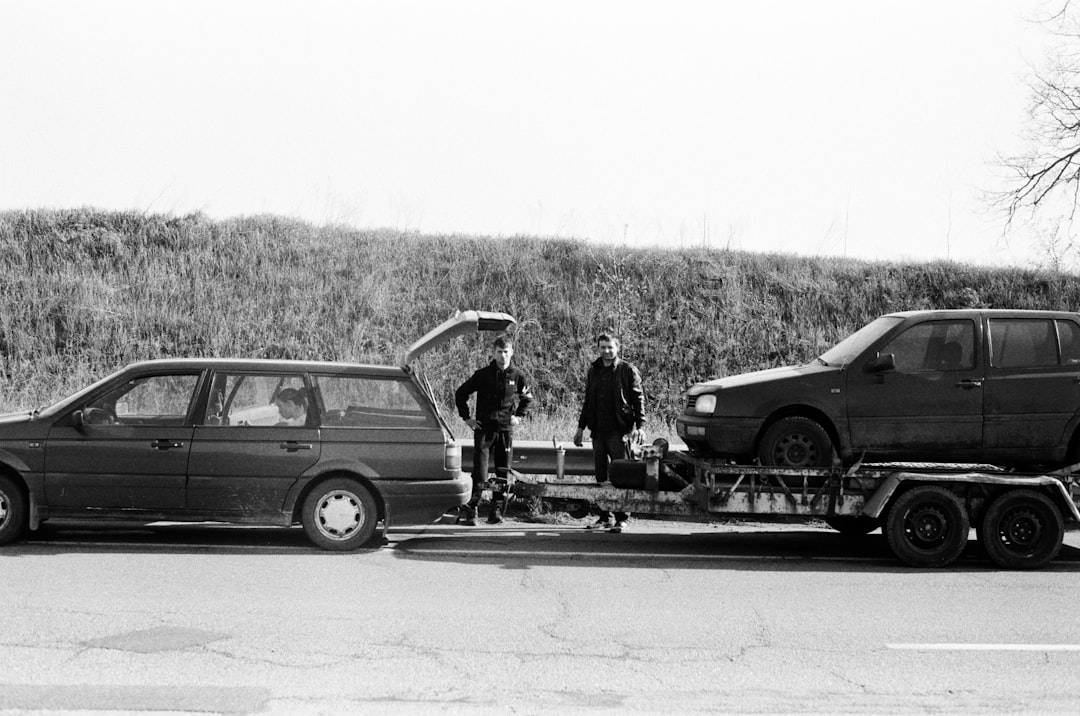
New-Authority Trucking Insurance: First-Year Costs, the BMC-91 Sequence, and Why Most Standard Markets Decline
New-authority trucking insurance explained: why first-year premiums carry a 25–50% surcharge, the BMC-91/BMC-91X filing sequence, which carriers actually write new MC numbers, and how to size the program before FMCSA grants authority.
→
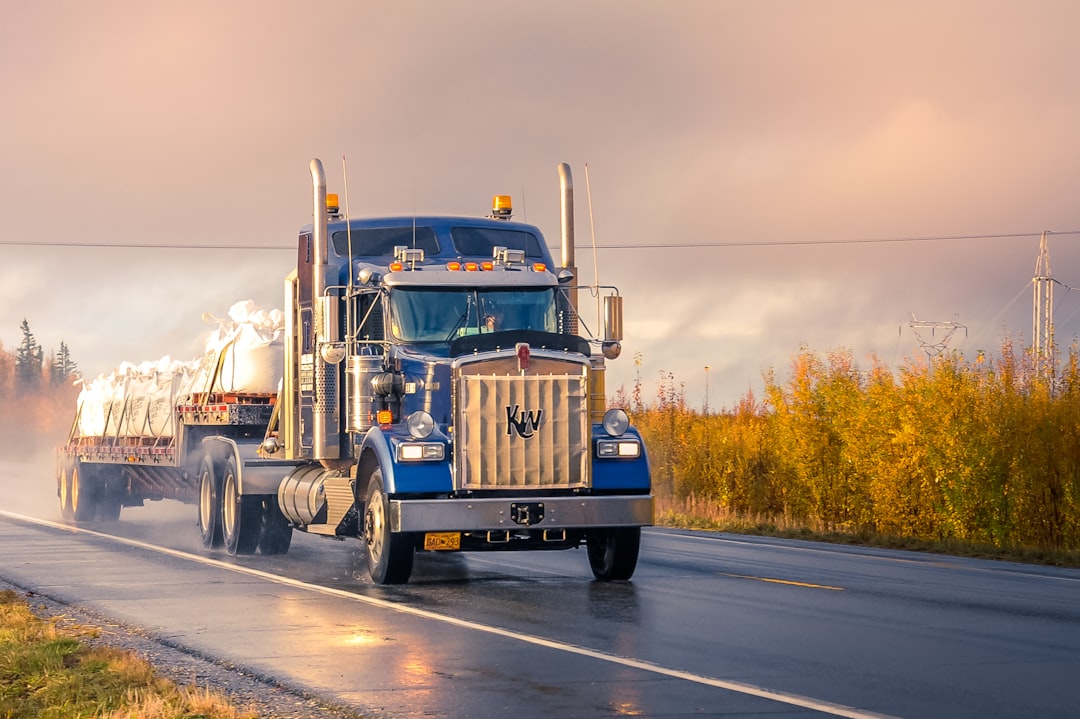
Auto-Hauler Insurance: Cargo Limits, Stated-Value Physical Damage, and the Chargeback Trap That Sinks Car-Carrier Operators
Auto-hauler insurance explained: cargo limits sized to per-load vehicle value, stated-value physical damage on the rig, contract chargebacks from OEMs and auctions, and which carriers actually write car-carrier business.
→
Owner-Operator Insurance: NTL/Bobtail Coverage, Motor Carrier Policy Scope, and Going to Your Own FMCSA Authority
Owner-operator insurance explained: non-trucking liability (NTL), bobtail, and occupational accident while leased on; the full $750K–$5M liability program when you get your own FMCSA authority.
→
Restaurant Insurance Market Guide: Carrier Appetite, Underwriting Red Lines & How Coverage Gets Placed
How restaurant insurance actually gets placed — admitted BOP carriers vs. specialty restaurant programs vs. E&S for bars and high-loss accounts, underwriting red lines, and how brokers navigate placement.
→
Hotel Insurance Market Guide: Carrier Appetite, Underwriting Red Lines & How Coverage Gets Placed
Where hotel insurance actually gets placed — admitted hospitality carriers, specialty hotel programs, and E&S — plus the eight underwriting red lines that kill an account.
→
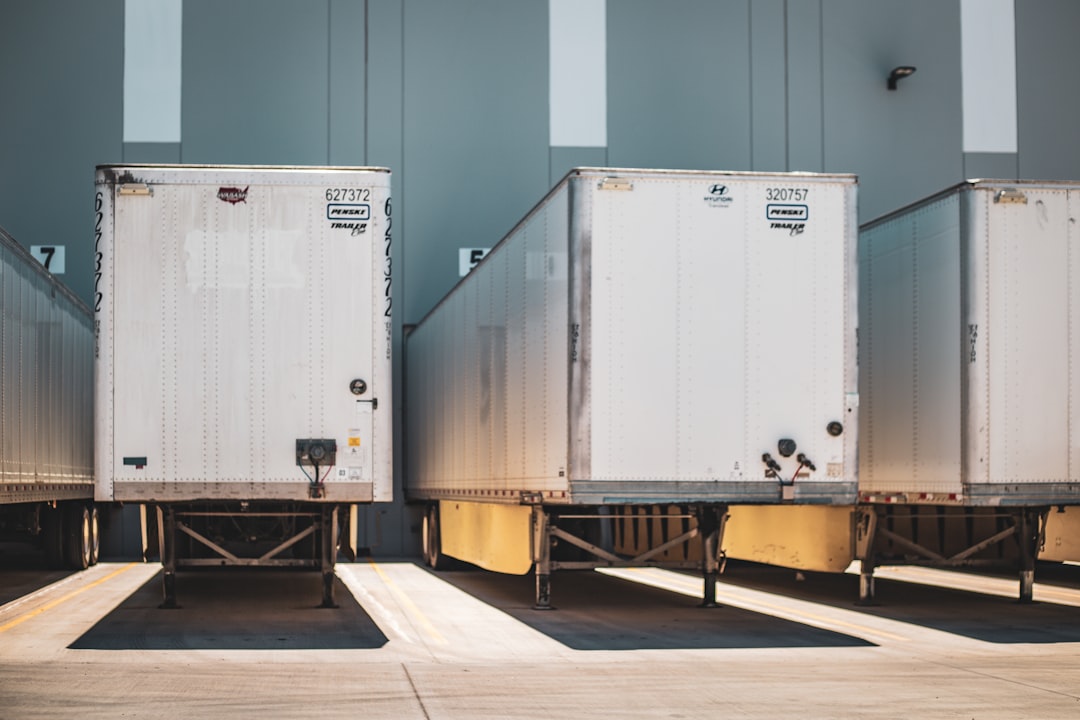
Commercial Trucking Insurance Market Guide: Carrier Appetite, Underwriting Red Lines, and How Trucking Coverage Gets Placed
How commercial trucking insurance actually gets placed — admitted vs. E&S carriers, appetite by operation type and fleet size, CSA score thresholds, MCS-90 filings, and how a broker navigates a clean placement in today's nuclear verdict market.
→
Hazmat in Food Distribution: Dry Ice, Ammonia, Sanitizers, and the Insurance Gaps Distributors Miss
How hazardous materials quietly enter food distribution operations — dry ice shipments, ammonia refrigeration, sanitizing chemicals, and controlled-atmosphere gases — and how FMCSA's $1M–$5M hazmat financial responsibility rules, EPA RMP, and OSHA PSM intersect with food-distribution insurance programs. Updated April 2026.
→
Food Distribution Insurance Market Guide: Carrier Appetite, Underwriting Red Lines, and How Coverage Gets Placed
How food distribution insurance actually gets placed — admitted vs. E&S carriers, appetite groupings by product category and revenue, underwriting red lines, specialty lines (recall, contamination, cargo), and how a broker navigates a clean placement.
→
Bar & Nightclub Insurance: Liquor Liability, Assault & Battery, and Crowd-Driven Risk
Insurance for bars, taverns, and nightclubs — dram shop and liquor liability deep-dive, assault & battery exclusions, crowd control and security underwriting, cover-charge and door exposure, and late-night operational risk.
→
Hotel Cyber Insurance: PMS, POS, Loyalty & Guest Data Breach Coverage
Cyber insurance for hotels and hospitality operators — property management system (PMS) breaches, POS intrusions, loyalty account takeover, PCI DSS obligations, passport/guest data exposure, and hospitality-specific coverage gaps.
→
Hotel Insurance Claims Guide: What to Do When Something Goes Wrong
Step-by-step claims response guide for hotel owners — guest slip-and-fall, pool/spa incidents, fire and property, bed bugs, cyber breach, liquor liability, and workers' comp. What to document, who to call, and what mistakes to avoid.
→
Hotel Insurance FAQ: Answers to the Questions Owners and Operators Actually Ask
Hotel insurance FAQ — coverage requirements, costs by property type, franchise and lender mandates, innkeeper's liability, cyber exposure, pool and liquor risk, claims response, and carrier options. Answered by Anvo Insurance.
→
Hotel Insurance Cost in 2026: What to Budget by Property Type
Hotel insurance costs $15,000–$1,000,000+ per year depending on property type, room count, location, and amenities. 2026 cost benchmarks by coverage line, premium drivers, and strategies to reduce hotel insurance premiums.
→
Hotel Insurance Requirements by State: What the Law, Your Franchise, and Your Lender Actually Require
State-by-state hotel insurance requirements — innkeeper's liability statutes, workers' comp, franchise mandates from Marriott/Hilton/IHG, lender covenants, lease obligations, and liquor liability. KS, MO, PA, NY, CA compared.
→
Hotel & Hospitality Insurance: The Complete Guide for 2026
What insurance do hotels need? Complete coverage guide including commercial property, GL, workers' comp, liquor liability, cyber, and business interruption — with cost ranges by property type.
→
Restaurant Insurance FAQ: 20 Questions Answered
Answers to the most common questions about restaurant insurance — liquor liability, workers' comp, BOP limitations, lease requirements, cost, claims, and coverage gaps. Updated April 2026.
→
Restaurant Insurance Cost 2026: Rates, Premiums, and What Drives Your Price
Restaurant insurance costs $5,000–$36,000+ per year depending on restaurant type, alcohol service, payroll, and location. 2026 cost benchmarks, premium drivers, and pricing strategies.
→
Restaurant Insurance Claims Guide: What to Do When Something Goes Wrong
Step-by-step claims response guide for restaurant owners — slip-and-fall, kitchen fire, liquor liability, workers' comp, and food contamination claims. What to do first, what to document, and what mistakes to avoid.
→
Commercial Trucking Insurance FAQ: 25 Questions Answered
Answers to the most common questions about commercial trucking insurance — FMCSA requirements, CSA scores, owner-operator coverage, cargo insurance, nuclear verdicts, and cost benchmarks. Updated June 2026.
→
Restaurant Insurance: The Complete Guide for 2026
What insurance do restaurants need? Complete coverage guide including BOP, liquor liability, workers' comp, EPLI, and food contamination — with cost ranges by restaurant type.
→
Restaurant Insurance Requirements by State: What the Law and Your Contracts Require
State-by-state restaurant insurance requirements — liquor liability, workers' comp, lease obligations, franchise mandates, and employment practices. KS, MO, PA, NY, CA compared.
→
Commercial Trucking Insurance Cost 2026: What Fleets Actually Pay
Commercial trucking insurance costs $8,000–$12,000 per truck for liability alone, $14,000–$25,000+ per power unit for a full program. Cost ranges by fleet size, commodity, and state for 2026.
→
Commercial Trucking Insurance Claims Guide: What to Do After an Accident or Loss
Step-by-step claims process for trucking companies — auto accidents, cargo damage, workers' comp injuries, and DOT incidents. What to do in the first 24 hours and common mistakes to avoid.
→
Commercial Trucking Insurance: The Complete Guide to Coverage, Cost, and Compliance
What insurance do trucking companies need? FMCSA requirements, coverage types, cost ranges by fleet size, CSA score impact, and how to build a program that satisfies brokers, shippers, and regulators.
→
Commercial Trucking Insurance Requirements by State: Federal, State, and Contractual Minimums
FMCSA financial responsibility minimums, state commercial vehicle insurance requirements, workers' comp thresholds, and freight broker contractual standards for motor carriers.
→
3PL & Warehouse Insurance for Food Distributors: Coverage Gaps in Third-Party and Multi-Tenant Operations
Insurance gaps specific to 3PL and warehouse food distribution — bailee liability, landlord additional insured requirements, multi-tenant liability stacking, and contractual flow-through exposure. Updated April 2026.
→
Cold Chain & Perishable Food Distribution Insurance: What Standard Policies Miss
Insurance gaps specific to refrigerated and perishable food distribution — reefer breakdown coverage, temperature excursion liability, FSMA cold chain compliance, and product recall from temperature breach. Updated April 2026.
→
Food Distribution Insurance FAQ: 20 Questions Answered
Answers to the most common questions about food distribution insurance — requirements, cost, coverage, claims, cold chain, and contractual COI demands. Updated April 2026.
→
Food Distribution Insurance Cost 2026: Rates, Drivers, and What to Expect
Food distribution insurance costs $8,000–$150,000+ annually depending on fleet size, payroll, loss history, and state. Scenarios, premium drivers, and cost benchmarks for 2026.
→
Food Distribution Insurance: The Complete Guide to Coverage, Cost, and Compliance
What insurance do food distributors need? Required coverages, recommended add-ons, cost ranges, operational risk zones, and how to build a compliant program.
→
Food Distribution Insurance Claims Guide: What to Do When a Claim Occurs
Step-by-step claims process for food distributors — commercial auto accidents, workers' comp injuries, product recalls, and property losses. What to do (and not do) in the first 24 hours.
→
Food Distribution Insurance Requirements by State
Federal (FMCSA, FSMA), state workers' comp, and contractual insurance requirements for food distributors and wholesalers — with a state-by-state breakdown for KS, MO, PA, NY, and CA.
→