
I have multiple warehouse locations — do I need multiple policies?
Usually not. Many wholesalers with several warehouses carry one program that lists every location on its policies. Check three things: whether the locations share one yearly liability limit, whether each warehouse has its own stock limit, and what covers goods while they move.
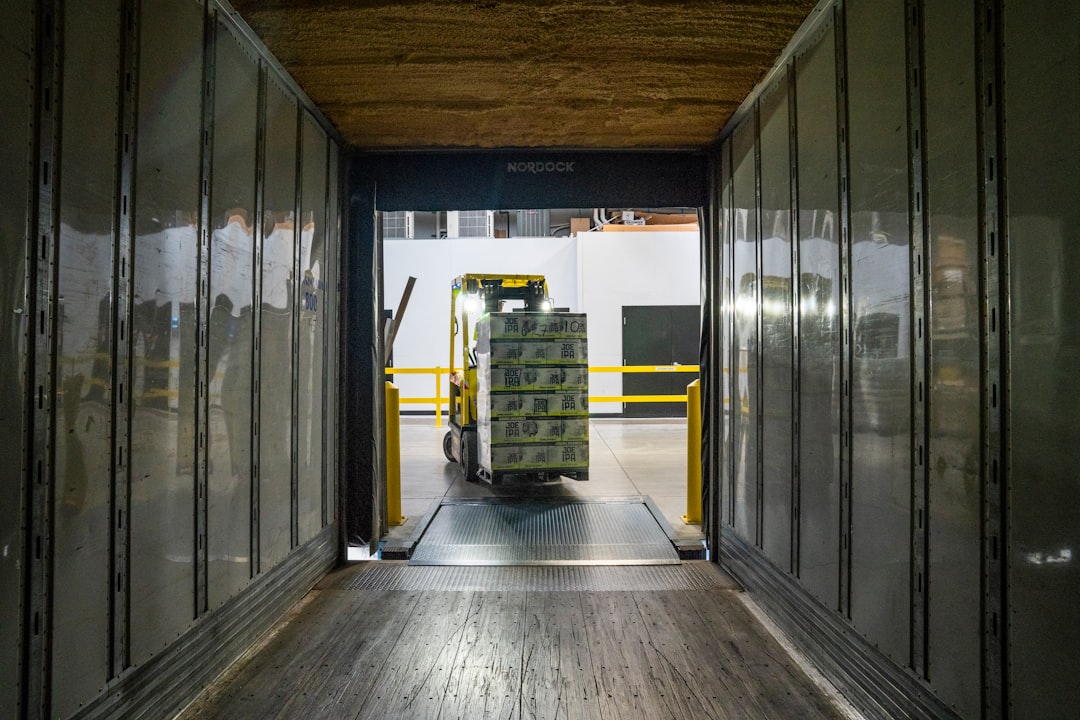
- One program with every warehouse listed is common. A separate policy makes sense when ownership or a contract calls for one.
- If your warehouses share one yearly liability limit, two large claims at one location can leave the others without it. Ask for a separate yearly limit per location.
- Stock is usually covered at listed locations. Goods on a truck, at another company's warehouse or at sea fall to cargo coverage and to someone else's capped liability, so ask where each stops.
Do I need a separate policy for each warehouse?
Usually not. One program that lists every warehouse on its liability, property, cargo and workers' comp policies is common, with one renewal and one set of paperwork.
Insurance follows the business, not the building. If one company runs three warehouses, that company is the policyholder and each warehouse is a location on its policies. A warehouse left off the list is a gap. Our guide to why the whole business is insured together explains why. How one policy covers several locations shows the mechanics.
A separate policy is the right answer when either of these is true:
- Different owners. One warehouse sits in a separate company, or has a different partner.
- A contract. A landlord, lender or buyer's agreement can ask for its own limits or its own named party for one location. Read the insurance section before you place the policy.
If neither applies, one program is the usual answer.
How should I set the stock limit for each warehouse?
One warehouse at a time. List each location with its own stock limit, set to what it holds in its fullest month.
Your racking, equipment and stock sit on your property policy, and the stock is what the policy calls business personal property. A policy can pay up to the limit listed for the place where the loss happened.
Picture a distributor who set a $1.5M stock limit on her main warehouse and listed a second location at $200K. In the holiday rush she moves $500K of overflow stock there, and a November fire destroys it. The policy can pay only up to that location's limit, so she may carry the $300K difference herself. A call to her agent before the busy season would have caught it.
Lost income works the same way. A fire at the warehouse that ships most of your orders can stop deliveries from every location that relies on it. Business interruption coverage pays the income you lose and the bills that continue; ask which warehouse each of its figures is based on.
What covers my goods when they move between locations?
Often not your property policy. It usually pays for stock at the locations it lists, so goods on a truck, at another company's warehouse or at sea depend on cargo coverage and on someone else's capped liability.
Cargo and inland marine coverageInland Marine Coverage for business property that moves or sits away from your premises, such as tools, equipment, or goods in transit. Insurers call it inland marine. more → pays for your goods while they move or sit away from your own premises. Who bears the loss at each stop also depends on the sales terms between you and your buyer or supplier. (Source: Cornell Law School, Uniform Commercial Code) Use the table to see where each stop leaves you.
| Where the goods are | What can pay | What to ask |
|---|---|---|
| In your own or leased warehouse | Your property policy, up to that location's stock limit | Is each location listed with its own limit? |
| Moving between your warehouses | Your property policy only if it extends to goods in transit; cargo coverage can fill the gap | Does anything cover stock between listed locations? |
| On a carrier's truck | The carrier, up to the value in your written agreement; your cargo coverage for the rest | What cap applies to this shipment? |
| On your own truck | Cargo coverage; truck insurance covers liability, not your goods | Is the cargo limit above my fullest load? |
| At a third-party warehouse | The warehouse, up to the cap in its agreement; your property or cargo coverage for the rest | Is that location listed on my policy? |
| On a ship | The ocean carrier, up to a low cap; ocean cargo coverage if your sales terms leave the risk on you | Did we declare the goods' value? |
A carrier's or warehouse's liability for your goods is often capped well below their value, and the gap is yours unless you insure it. Our guide to coverage gaps shows the caps and how to set your stock limit. Ask your agent to cover the difference on cargo coverage.
If you run your own trucks, commercial auto pays for injuries and damage they cause, not for the goods on board. Insurance for goods in a third-party warehouse goes deeper on that stop.
What changes when my new warehouse is in a new state?
Several things. Your insurer generally needs to be licensed in the new state, your workers' comp has to name it, and the state's rules on trucks and food licenses can differ from the ones you know.
Liability and property. An admitted carrierAdmitted Carrier An insurance company licensed by your state, with its rates filed there and a state safety-net fund behind it if it fails. Insurers call it an admitted carrier. more → is an insurer licensed and regulated in a state. If yours is licensed in the new state, it can usually add the warehouse with a change to your policy. If it is not, that location may need a different insurer.
Workers' comp. The new state has to be listed on your policy, and each state sets its own rules. Washington, for example, sells workers' comp only through the state. (Source: Washington State Legislature) Our workers' comp laws by state index links the pages for all eight states. The new warehouse's payroll also shows up at the year-end premium audit, so report it when it opens. See what a premium audit is.
Trucks, licenses and contracts. If trucks will be based in the new state, ask your agent which state's auto rules apply. A food warehouse may also need its own state food license; ask that state's agency whether it wants proof of insurance. Often, your landlord and lender will have specific insurance requirements you must meet to stay in compliance. See opening a location in a new state and wholesaler insurance requirements by state.
Send your agent the address, the opening date, the goods you will hold and the lease's insurance section well before the warehouse opens. The full list of coverages a wholesaler needs shows what else to update.
Common questions about insuring several warehouses
Often, though not always. One program avoids paying minimum premiums and fees on several separate policies, but every warehouse is still priced on its own stock, payroll and claims. A location with a poor claims record can raise the price of the whole program.
Usually, if you tell your agent before it opens. Some policies cover a new location for a short time at a capped amount, so check your wording rather than assuming.
Your stock there is still yours, and the warehouse company's liability for it can be capped by its agreement. Ask your agent to list that location on your policy and to show you where the policy covers stock held away from your own premises.
Set up one program for all your warehouses
Tell us how many warehouses you use, who owns each one and how stock moves between them, and we will show you how they fit on one program.