
What do I need to prepare for a wholesale distributor insurance quote?
To get a quote for a wholesale, distribution or import business, have ready your claims reports, payroll by job, what you sell and to whom, where the stock sits, whether you run trucks and whether you import. The tables below say why insurers ask for each item, where to find it and what to do if you don't have it. Print them and tick them off.
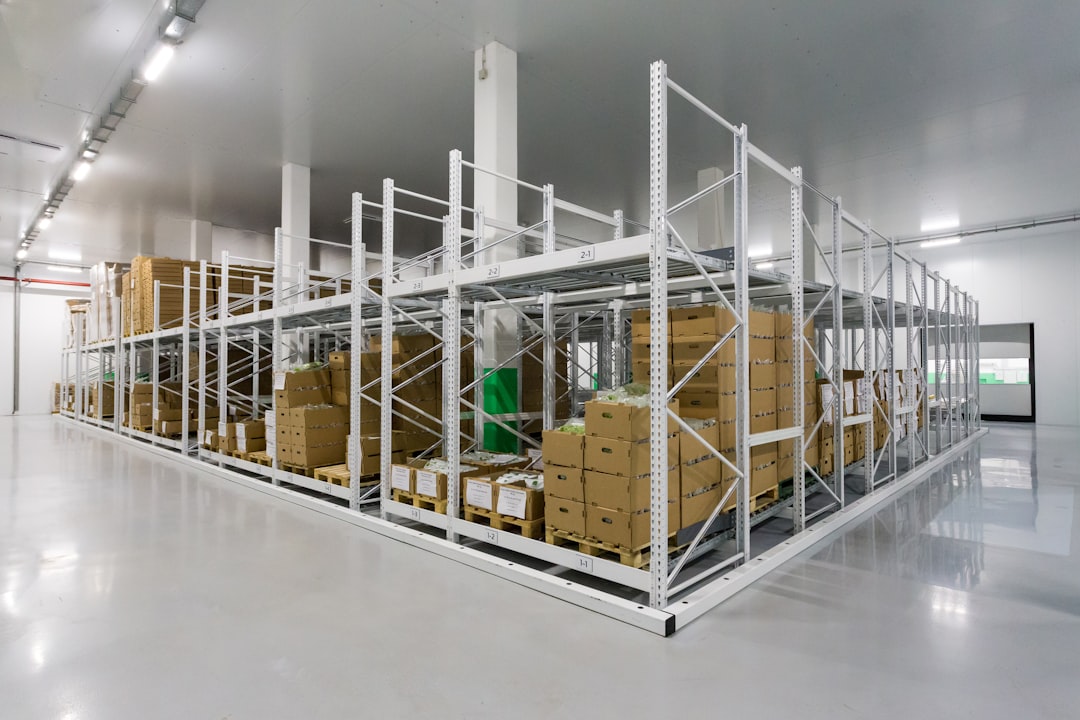 Photo by Petr Magera
on Unsplash
- Insurers decide from what you sell, where the stock sits, whether you run trucks and whether you import. Put those answers on one page before you ask.
- Claims reports and payroll by job take the longest to collect. Ask your current insurers for the reports first.
- Round estimates are fine to start. Never guess at a figure you can look up, because the insurer checks your real sales and payroll after the year ends.
What should I have ready, whatever I sell?
Have six basics ready: your states, the date you need coverage by, your current policy with years in business and sales, your claims reports, payroll by job, and proof of insurance from any outside haulers. They feed all six core coverages: general liability, commercial property, product liability, cargo and goods in transit, workers' comp and business interruption.
A loss runLoss History / Loss Run Your record of past claims, and the report from your insurer, usually covering five years, that lists them. Insurers call the record loss history and the report a loss run. more → is your insurer's report of every claim on a policy. Workers' comp prices adjust for your claims record, with a credit for better-than-average results. (Source: NCCI) A premium audit is the insurer's check, after the policy year, of your actual sales and payroll against your estimates. Our guide to what a premium audit is explains how a low estimate turns into a bill.
| What to have ready | Why they ask | Where to find it | If you don't have it |
|---|---|---|---|
| States where you have a building, staff or trucks, and where you ship. | Insurers file rates and rules state by state. | Leases, payroll records, delivery routes. | List each state with a rough share of sales. |
| The date you need coverage by, and what sets it. | A lease, loan or customer agreement can set a deadline. | Renewal notice; the lease, loan or agreement. | Say there is no fixed date and give your renewal date. |
| Current insurer, policy numbers, renewal date, years in business and last year's sales. | Insurers want to see what you carry now and how large you are. | The summary page at the front of each policy; renewal notice; tax return. | Ask your agent or insurer for copies; round the sales figure. |
| Loss runs from each insurer, for every policy. | Past claims shape the price and who will quote. | Each insurer sends them on written request. | Ask in writing now; meanwhile list claims you remember, with dates and amounts. |
| Payroll by job: warehouse, drivers, sales, office. | Workers' comp is priced by type of job. | Payroll report. | Estimate by job type. |
| Outside haulers and temp-agency staff, with their proof of insurance. | Outside workers without their own cover can end up counted as yours. | A certificate from each hauler or agency. | Ask each one for a certificate. |
Most people who work for you count for workers' comp, including part-time and seasonal staff. Whether a contractor or a temp counts depends on your state's test and on who directs the work, so check the state page before you assume someone is outside it. The certificate you ask haulers for is a one-page proof of their coverage; our guide to what a certificate of insurance is shows what it looks like.
What should I have ready on what I sell and where it comes from?
Have your product mix by share of sales, your biggest buyers and, if you import, whose name is on the customs entry. Insurers ask what is in the warehouse and who is left holding the risk when a product hurts someone.
| What to have ready | Why they ask | Where to find it | If you don't have it |
|---|---|---|---|
| What you sell, by category and share of sales. Flag supplements, infant or children's goods, raw meat or seafood, alcohol, hemp or CBD products and chemicals. | Product type drives liability and recall risk, and who will quote. | Sales report by product line; price list. | Run the report in your accounting system; round to the nearest 5%. |
| Your three biggest buyers and the insurance page of each agreement. | Buyer agreements can set coverage and wording. | Customer list; the agreements. | List the three by sales; send the pages you have. |
| Your own label, relabeling or repacking. | Insurers view goods with your label as your own product. | Packaging; contracts with the maker. | Photograph the label and name who makes the product. |
| Proof of care: for food, a written recall plan, temperature logs and supplier files; for consumer goods, safety test reports and certificates. | Insurers read them as proof of care. | Quality manual; logs; test lab reports. | Food: write a one-page recall plan first. Consumer goods: ask your maker or lab for copies. |
Guessing at your product mix can cost you an insurer's trust. A growing line you did not mention is a classic surprise. If some of your goods worry insurers, read why a wholesale business can be hard to insure for what to fix first. The coverage that responds to a product that hurts someone is product liability.
If you import
If you import consumer goods, the importer issues the safety certificate, which puts the importer in the maker's place. (Source: Consumer Product Safety Commission) If you import food, the federal food regulator puts the duty to check the foreign supplier on the U.S. owner or consignee of the food at entry. (Source: Food and Drug Administration) Insurers ask the questions below to see which of those roles is yours.
| What to have ready | Why they ask | Where to find it | If you don't have it |
|---|---|---|---|
| Share of purchases you import, and the countries. | Imports change who can be sued and which cargo cover fits. | Purchase orders; supplier list. | Estimate the share by value. |
| Whether you are the importer of record: the business named on the customs entry. | That business has legal duties for the goods; for food it also carries the duty to check the foreign supplier. | Customs entry papers; your customs broker. | Ask your broker whose name is on your entries. |
| Your sales terms with each supplier | The terms can decide who bears a loss while goods are at sea. | Supplier agreements; invoices. | Ask the supplier which terms it quoted. |
| The foreign maker: written contract, their insurance, who pays for a recall. | Without a contract you may be the only business an injured buyer can reach. | Contracts; the maker's certificate. | Say "purchase orders only" and do not guess. |
| Where goods sit after the port, and who repacks them. | Losses often fall between ocean cover and warehouse cover. | Port and warehouse agreements. | Name the facility and who controls it. |
What should I have ready on my warehouse, equipment and trucks?
Have the size and protection of each warehouse, the value of your stock in your fullest month, and your trucks or carriers. The stock figure matters most: a limit set to an average month can leave you short in the busiest one.
| What to have ready | Why they ask | Where to find it | If you don't have it |
|---|---|---|---|
| Own, leased or third-party warehouse; square feet; the lease or storage agreement. | It sets who insures the building and what the agreement requires. | Lease; storage agreement. | Ask your landlord or warehouse for a copy. |
| Sprinklers, monitored alarm, shelf height, aisle width | Fire protection and dense storage affect the property price and its conditions. | Fire inspection report; your landlord. | Ask your landlord whether the building has sprinklers. |
| Stock value in your fullest month, and the average. | Your property limit should fit your fullest month. | Inventory system; month-end reports. | Use the highest month-end inventory of the last year. |
| Goods you keep in someone else's warehouse, with the agreement. | That warehouse's liability for your goods can be capped by its agreement. | Storage agreement; receipts. | Ask the warehouse for its limit in writing. |
| Forklifts and power equipment: how many, who trains the drivers. | Insurers ask how operators are trained. | Equipment list; training records. | List what you have and start training records. |
| Refrigerated or frozen stock: units and service records. | A breakdown or power loss can spoil stock. | Equipment list; service log. | Ask your refrigeration contractor for the service history. |
| Your largest single load by value. | It sets the cargo limit you need per shipment. | Invoices; shipment records. | Use your most expensive recent shipment. |
| Trucks: count, drivers, how far they go; staff who drive their own cars on errands. Or the carriers you hire. | Own trucks bring auto liability; a hired carrier's liability for your goods is limited; accidents in cars you don't own need their own cover. | Vehicle titles; driver list; carrier agreements; delivery and errand routines. | A rough count and radius is enough to start; note who drives their own car, how often and how far. |
A warehouse's liability for your stock can be limited by its storage agreement, and you can ask in writing for a higher limit for a higher charge. (Source: Uniform Commercial Code, section 7-204) Our guide to goods in a third-party warehouse goes into that gap, and the cargo and inland marine coverage page covers goods in transit.
The federal $750,000 liability minimum is written for carriers that haul other people's goods for pay. (Source: Code of Federal Regulations, Title 49, section 387.3) If you only deliver your own goods, ask your agent how the federal rule and your state's minimum apply to your trucks. Cover for staff cars and hired carriers is commercial auto with a hired and non-owned section.
When the tables are filled in, send them through the wholesale quote form, or read what insurance a wholesale business needs first. A rough answer sent now is better than a perfect one never sent.
Frequently asked questions about preparing a wholesale distributor insurance quote
Ask each current and past insurer or agent in writing for loss runs on every policy, including workers' comp and auto. Ask for them before you start shopping so they are current when you need them.
No. Rounded estimates are enough to start. Keep them honest, because the insurer can check your actual sales and payroll after the year ends, and a low estimate can turn into a bill. Ask your agent how your policy handles that check.
Your broker can tell you whose name is on your entries. Ask for a recent entry summary and read the importer line. Do not guess, because the answer changes who an injured buyer can reach.
Anvo writes wholesalers, distributors and importers, food and general merchandise, whether the goods sit in your warehouse, a leased one or a third-party one. That includes newer businesses that are already operating and bringing in revenue. It does not write a one-person trading desk with no inventory.
Filled in the tables? Send them over.
Send what you have, even if it is rough, and we will read it and take your file to insurers that write wholesalers, distributors and importers.