
What do I need to prepare for a restaurant insurance quote?
To get a restaurant insurance quote, have ready your state, years of ownership, sales, current insurer and renewal date, your answers on alcohol, late hours, entertainment, the kitchen and the building, and paperwork. This page lists what to have ready and why each item is asked. It covers commercial policies a restaurant buys (liability, liquor, property and workers' comp), not personal insurance.
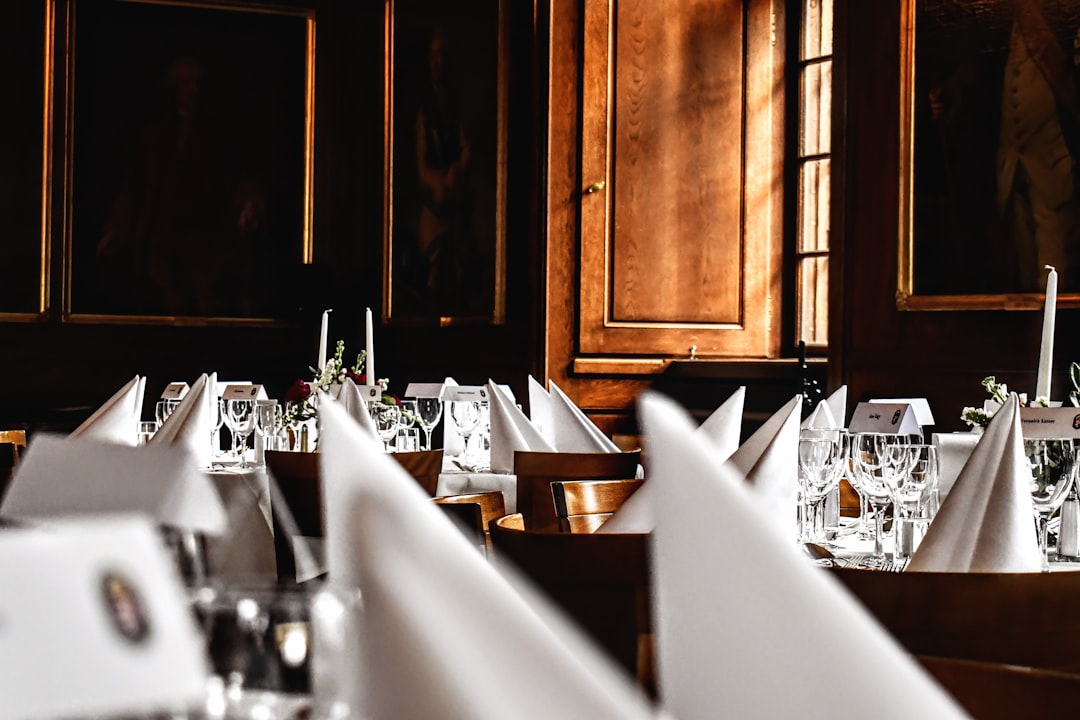 Photo by Carl Gelin
on Unsplash
- Each question decides which insurers can look at you at all. Alcohol share, closing time and entertainment separate a restaurant market from a bar market.
- Have three to five years of claims history, payroll split by job, your liquor license and any citations ready before you ask for a quote.
- A submission lands pre-qualified when every answer matches the documents and any claim or citation comes with a short note on what changed.
What should you have ready before the restaurant questions?
Have six basics ready, because any business is asked for them: your state, whether you are established or new, years under the current owner, annual sales, your current insurer and renewal date, and what is driving the timing. Together they decide which insurers can quote you.
- State and years under current ownership: insurers file rates state by state, and a new owner usually starts without the old owner's claims record.
- Established or new: a new operation has no track record. Of food-service and lodging businesses that opened in the year to March 2020, about 59% were still open five years later. (Source: Bureau of Labor Statistics)
- Sales: your liability price is usually figured on sales, so this sets the size of the quote.
- Current insurer and renewal date: insurers want time to review before the old policy ends.
- What is driving the timing: a lease, a lender or a franchisor usually comes with its own list of required coverage and limits, and the quote has to meet it.
The general version is in what to prepare for a business insurance quote.
What should you have ready on alcohol, late hours and entertainment?
Know your numbers on all three before you ask. They decide whether you are priced as a restaurant or as a bar, which are different sets of insurers, so these answers rule markets in or out first.
Alcohol
What share of your sales is alcohol, and would you call the place a restaurant or a bar? The standard liability policy doesn't cover you when someone you served drinks and then hurts someone; that is a separate policy, and insurers call it liquor liabilityLiquor Liability Coverage if your business is sued after serving or selling alcohol to someone who then injures another person or causes damage. Insurers call it liquor liability.. Those claims can be severe: 13,524 people died in crashes involving alcohol-impaired drivers in 2022. (Source: Centers for Disease Control and Prevention) The higher your alcohol share, the fewer insurers will write your alcohol coverage.
Hours
Are you open past 10 pm or midnight on any night, or around the clock? Late hours tend to mean more drinking and fewer families, and some insurers stop at a set closing time.
Entertainment
Live music, a disc jockey, dancing, door staff or gaming machines? Each one points an insurer toward crowds and fights, which many restaurant policies limit or leave out.
What should you have ready on how you run the place?
List anything that takes food, staff or flame beyond an ordinary dining room, because each one changes the risk. Some need extra coverage, and a few narrow the list of insurers.
Operations
- Catering: your liability has to follow staff to other people's venues. More on insuring catering.
- Delivery with your own drivers: employees driving their own cars for you need coverage for vehicles the business doesn't own — insurers call it hired and non-owned autoHired and Non-Owned Auto Liability coverage for accidents in vehicles your business does not own, such as rentals or an employee's personal car used on a work errand. Insurers call it hired and non-owned auto. more →. Own a van and you need commercial auto.
- Buffet: food held out for hours raises food-poisoning risk. Foodborne illness sickens about 48 million people in the US each year and hospitalizes 128,000. (Source: Centers for Disease Control and Prevention)
- Hibachi, hot pot or tableside flame: harder to place, not a no. Fewer insurers write open flame at the table, so say so up front. More in why restaurants are hard to insure.
- Number of fryers: more hot oil means more fire and burn risk.
Season and brand
Year-round or seasonal? Franchise or independent? A franchise agreement sets its own insurance requirements, so bring its insurance section — see franchise restaurant insurance.
What should you have ready on the building and the kitchen?
Size and the kitchen's fire protection drive the property price, so have both documented. Cooking caused about 64% of restaurant fires, at an average direct loss of about $22,540 per fire (2011–2013, the latest period published). (Source: U.S. Fire Administration)
Size
Sales per location, number of seats, square footage, the year the building went up, and whether it has sprinklers. These size the property coverage and the liability price, and an older building without sprinklers narrows the field.
The kitchen
How often is your hood and duct cleaned, and when was the wet-chemical fire-suppression system over the cooking line last inspected? Have the cleaning invoices and the date on the system's inspection tag ready. Many policies make keeping that system working a condition of fire coverage — insurers call it a protective safeguard endorsementProtective Safeguard Endorsement A policy add-on requiring you to keep named safety systems, such as sprinklers or a monitored alarm, working, or the insurer may deny a related claim. Insurers call it a protective safeguard endorsement. — so a lapsed inspection can put a fire claim at risk, not just a better price. Check your own policy wording and ask your agent.
What paperwork should you have in hand?
Four things: your claims history, payroll by job, your liquor license with any citations, and whether a policy was ever cancelled or not renewed.
The documents
- Claims history, three to five years: the report your insurer keeps of every claim — insurers call it a loss runLoss History / Loss Run Your record of past claims, and the report from your insurer, usually covering five years, that lists them. Insurers call the record loss history and the report a loss run. more →. Get one for every policy, including workers' comp, which pays when an employee is hurt at work. Workers' comp pricing usually draws on the latest three years of claims. (Source: NCCI, ABCs of Experience Rating)
- Payroll by role: kitchen, servers, bartenders, managers and drivers, because workers' comp is priced on payroll by job type.
- Liquor license and any citations: a sale to a minor or a suspension is asked about directly.
- Any prior cancellation or non-renewal: say so, with the reason.
If a landlord or franchisor is involved, bring the insurance pages of the lease or agreement; they will check your proof of insurance against them later — see what a certificate of insurance is.
What makes a submission land pre-qualified?
Complete answers that match the documents, and no surprises. When the insurer's review of your business — insurers call it underwritingUnderwriting The insurer's review of your business to decide whether to offer coverage, on what terms, and at what price. Insurers call this underwriting. — finds nothing missing or contradicted, the file goes straight to pricing.
- Every question answered, including the awkward ones.
- Sales and alcohol share that match your register reports and tax returns.
- Claims history that is current, with a short note on any claim: what happened and what you changed. Kitchens see 2.4 injury and illness cases per 100 full-time workers a year, so a note on a single injury claim is routine. (Source: Bureau of Labor Statistics)
- Hood cleaning and suppression inspection records attached, not promised.
- Lease or franchise insurance requirements attached, so the quote is built to meet them.
Send it through the restaurant quote form, or read what restaurants pay first.
Frequently asked questions about preparing a restaurant insurance quote
Ask your current insurer or agent in writing for loss runs on every policy, including workers' comp, and ask each earlier insurer for the years it covered you. Request them before you start shopping so they are current when the file goes out.
Your experience. List the restaurants you or your managers have run, for how long, and any claims there, plus your planned menu, hours, alcohol share and opening date. An underwriter pricing a new operation is pricing the people running it.
Usually not; it changes which insurers look at you. Leaving it out is the real risk, because an insurer that finds an undisclosed late-night or entertainment operation after a claim can deny the claim or cancel the policy. Check your own policy wording and ask your agent.
Be careful. Insurers often work only with the first agent to bring them your account, so two agents sending the same file can leave you with fewer quotes. If you use two, agree in writing which insurers each approaches.
Have your answers ready? Send them over.
We'll read your answers and documents, and take your file to the insurers that write restaurants like yours.