
How to find the best restaurant depot insurance agent in your state
A strong restaurant depot agent holds a license in your state, writes cash-and-carry warehouses as regular work, and can reach insurers that take a warehouse with customers on the floor. They should also be able to walk you through the six core coverages a depot needs. Check the license on your state's lookup and the rest with the questions below.
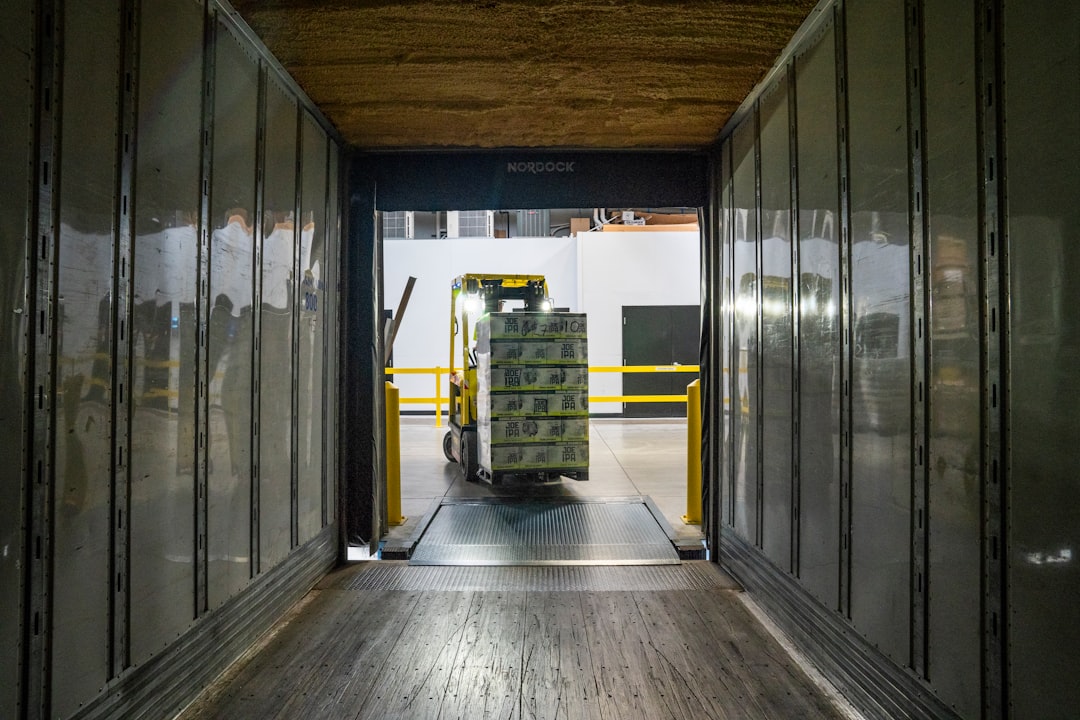
- Verify the license in the state where the depot operates before you share any business details.
- A specialist asks about your forklifts, walk-in coolers and sales mix before quoting.
- Your workers' comp class depends on how much you sell to businesses and how much to the public, so the agent has to know your state's rules.
How do I tell a restaurant depot specialist from a generalist?
A specialist asks about your forklifts, your walk-in coolers and how much you sell to businesses versus the public before quoting anything, because those answers decide which insurers will take you. A generalist sends the same form everywhere and finds out afterward.
Start with the license, which is a state's permission to sell insurance, called a producer license. A lookup tool can verify the license type and which lines of insurance the holder may sell. (Source: Maryland Insurance Administration) A license does not make someone a specialist, so ask how many cash-and-carry warehouses they insure now and which insurers they would try first for yours.
Then listen to the first questions. Federal rules say each forklift operator must be trained and evaluated at least every three years, and a good agent asks to see the records. (Source: Occupational Safety and Health Administration) The injury rate is why: in 2024, grocery wholesalers reported 4.2 recordable injury cases per 100 full-time workers, against 2.3 for all private industry. (Source: Bureau of Labor Statistics) Depots have no published rate of their own, so this is a nearby benchmark.
A specialist can also walk you through the six core coverages: general liability, for customers on a warehouse floor; commercial property, for the building, racking and stock; inland marine, for the forklifts and other power equipment; equipment breakdown and spoilage, for cooler failures and the stock they spoil; business income, for income lost while you are closed; and workers' comp, for staff hurt on the job. They should also say when commercial auto, product liability or liquor liability applies, and when an umbrella is worth adding. Stock is the part to watch: ask whether it is valued at its peak or its average, because the things you keep in the building are called business personal propertyBusiness Personal Property (BPP) The things inside your business you would have to replace after a loss, such as furniture, equipment, inventory, and supplies. Insurers call this business personal property. more →. Coverage for food that spoils after a power loss or breakdown is called spoilage coverageSpoilage Coverage An add-on to a property policy that pays for stock that spoils when refrigeration fails or the power goes out. Insurers call it spoilage coverage. more →, and a policy can have one without the other. See why a depot is hard to insure, the quote checklist, questions to ask a broker and spotting upselling.
How do I find the best restaurant depot insurance agent in Kansas?
Look for a Kansas license, depot experience, the right insurers, and a clear answer on how your sales mix sets workers' comp.
Check the license on the state's lookup first. (Source: Kansas Insurance Department) Kansas excludes an employer from workers' comp only when payroll for the preceding year was $20,000 or less and this year's is expected to stay there, and a depot with a staffed warehouse floor will usually be past that. (Source: Kansas Revisor of Statutes) Ask: What share of my sales to businesses versus the public changes my price? Is my stock valued at its peak or its average? Which insurers would you try first for my depot?
How Anvo measures against this: Anvo Insurance, an independent agency (legal name Baos Insurance LLC), is licensed in Kansas. Search that name to confirm. It writes established restaurant depots and cash-and-carry warehouses, not a brand-new depot.
How do I find the best restaurant depot insurance agent in Missouri?
Look for a Missouri license, depot experience, the right insurers, and a clear count of who on your payroll triggers workers' comp.
Missouri's insurance department links its license lookup from its producer page; use it to confirm a license. (Source: Missouri Department of Insurance) Missouri requires workers' comp from five or more employees, and part-time staff, casual workers and family members count toward that number, as do LLC members and corporate officers. (Source: Missouri Division of Workers' Compensation) Ask: Who do you count toward my headcount, including me? How would you class my floor staff and my drivers? What would make an insurer decline my depot?
How Anvo measures against this: Anvo Insurance, an independent agency (legal name Baos Insurance LLC), is licensed in Missouri. Search that name on the state lookup to confirm.
How do I find the best restaurant depot insurance agent in New York?
Look for a New York license, depot experience, the right insurers, and knowledge of how New York sorts a depot into a workers' comp class.
The state's financial services department runs a licensee search to check whether a license has been issued. (Source: New York Department of Financial Services) Workers' comp prices start from a class code, a number that sorts a business by what it does, and New York's list includes a wholesale store, a wholesale grocery, a retail supermarket and a separate drivers class. (Source: New York Workers' Compensation Board) Which one fits a depot can turn on your sales mix, so a good agent asks for the split. Ask: Which class do you expect for my floor staff, and why? How do you handle my payroll audit? How do you treat my drivers?
How Anvo measures against this: Anvo Insurance, an independent agency (legal name Baos Insurance LLC), is licensed in New York. Search that name on the state search to confirm.
How do I find the best restaurant depot insurance agent in Pennsylvania?
Look for a Pennsylvania license, depot experience, the right insurers, and comfort with the state's rating bureau and its grocery classes.
The state insurance department offers a search to verify an agent's license status. (Source: Pennsylvania Insurance Department) The state's rating bureau has a wholesale grocery class for dealers who mainly sell groceries or frozen foods in cartons, cases or boxes, a separate retail grocery class, and a catch-all wholesale class; beer and bottled soft drinks sit in yet another class. (Source: Pennsylvania Compensation Rating Bureau) If you carry beer or soft drinks, your payroll may be split across classes. Ask: Which class do you expect for each group of my staff? Which insurers have written a warehouse like mine? How do you help at an audit?
How Anvo measures against this: Anvo Insurance, an independent agency (legal name Baos Insurance LLC), is licensed in Pennsylvania. Search that name on the state's agent search to confirm.
How do I find the best restaurant depot insurance agent in Massachusetts?
Look for a Massachusetts license, depot experience, the right insurers, and willingness to confirm your workers' comp class with the state's bureau.
The Division of Insurance runs an online verification service for insurance agents and agencies. (Source: Massachusetts Division of Insurance) Massachusetts law requires every employer to provide workers' comp, with no minimum headcount. (Source: Massachusetts General Laws) Which class suits a grocery wholesaler is a question for the state's rating bureau, so a good agent says "I will check" instead of guessing. Ask: How will you confirm my class with the bureau? How is my owner payroll counted? Which insurers will quote me directly?
How Anvo measures against this: Anvo Insurance, an independent agency (legal name Baos Insurance LLC), is licensed in Massachusetts. Search that name on the state's verification service to confirm.
How do I find the best restaurant depot insurance agent in Louisiana?
Look for a Louisiana license, depot experience, the right insurers, and a clear answer on which fire code your sprinklers are measured against.
The state's department of insurance has a search to verify a producer's license status and current insurer appointments. (Source: Louisiana Department of Insurance) State law makes either of two national model fire codes the state's fire code, so the edition behind your sprinkler design is worth asking about. (Source: Louisiana Legislature) An agency does not have to be based in Louisiana: it can hold a non-resident license there. Confirm that license on the lookup first. Ask: Do your insurers look at how high I stack and whether my sprinklers match it? Who services my account once it is placed? How do you handle my payroll audit?
How Anvo measures against this: Anvo Insurance can hold a non-resident license in Louisiana where needed; check the state lookup rather than taking our word for it.
How do I find the best restaurant depot insurance agent in Maryland?
Look for a Maryland license, depot experience, the right insurers, and a plan to cover every employee, since Maryland sets no headcount threshold.
The Maryland Insurance Administration points consumers to a licensee lookup that shows license status and expiration date. (Source: Maryland Insurance Administration) Maryland's workers' comp law says each employer shall secure compensation for all covered employees, with no minimum number of workers. (Source: Maryland General Assembly) An agency can hold a non-resident Maryland license, so confirm whoever you speak to on the lookup, including the expiration date. Ask: Which insurers would quote my depot, and why those? How do you handle my payroll audit? How do you help when a claim comes in?
How Anvo measures against this: Anvo Insurance can hold a non-resident license in Maryland where needed; check the state lookup rather than taking our word for it.
How do I find the best restaurant depot insurance agent in Washington?
Look for a Washington license, depot experience, the right insurers, and an understanding that Washington prices workers' comp by hours worked.
The Office of the Insurance Commissioner has a public lookup to verify whether an agent is licensed, with disciplinary history. (Source: Washington Office of the Insurance Commissioner) The state's 2026 rate sheet prices wholesale stores, including wholesale and retail combinations, at a base of $0.8847 per hour worked, before the adjustment for your own claims history; a separate warehouse class carries a higher base. (Source: Washington Department of Labor & Industries) An agency can hold a non-resident Washington license; confirm it on the lookup. Ask: How do you help with my hours reports? Would any of my staff fall in the warehouse class instead of the store class? How do you handle my delivery drivers?
How Anvo measures against this: Anvo Insurance can hold a non-resident license in Washington where needed; check the state lookup rather than taking our word for it.
Frequently asked questions about choosing a restaurant depot insurance agent
No, but the agent must hold a license for the state where your depot operates, resident or non-resident. Check it on that state's lookup.
Search the agency's legal name as well as its trade name. If nothing appears, ask for the license number and call the state insurance department before you pay or share details.
It can change which insurers will quote you and which workers' comp class applies. Give the agent your rough split between business and public sales up front.
Ask these questions of any agent, including us
Bring these questions to every agent you talk to and compare the answers. For ours, send your depot's details with a quote request.