
I own a grocery store — what insurance do I need?
A grocery store needs five core coverages: general liability, for a customer who slips and falls or gets sick from food you sold; commercial property, for the building or your build-out, shelving, cases, coolers and stock; equipment breakdown and spoilage, for a compressor or walk-in that fails and spoils the stock; business income, for the income you lose while closed after covered damage; and workers' comp, for staff hurt on the job. Two more depend on the store: liquor liability if you sell beer, wine or liquor, and commercial auto if the store owns a delivery vehicle. An umbrella and employment practices liability, for lawsuits from your own employees, are commonly added on top.
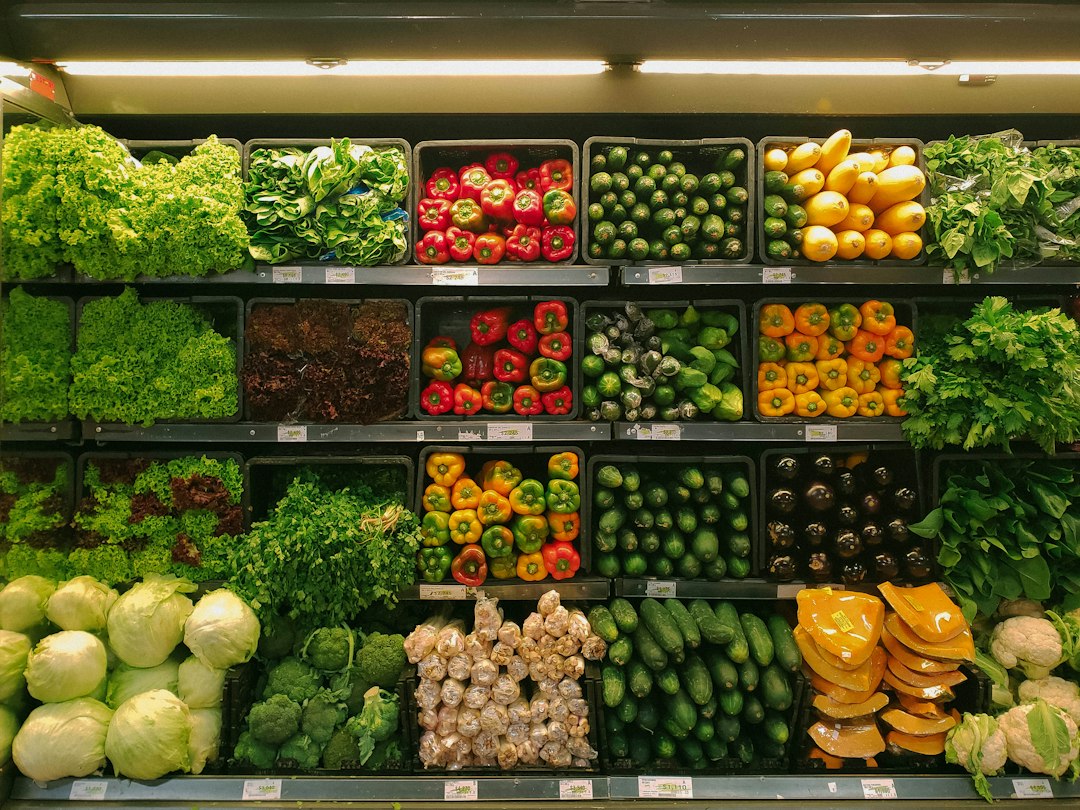
- Five core coverages carry most grocery stores: general liability, commercial property, equipment breakdown and spoilage, business income and workers' comp. Liquor liability is added if you sell alcohol; an umbrella and employment practices liability are common add-ons.
- Many owners assume a power outage or a failed walk-in is covered by the property policy. It is often a separate add-on with its own limit.
- A deli, fryer or smoker can make your hood system a condition of coverage, so keep every service record.
What happens when a customer gets hurt or sick?
Your liability coverage is designed to pay for your defense and for a covered claim when a customer is hurt in your store or gets sick from something they bought there. Every grocery store needs it from the day it opens, and it is the first policy a landlord asks to see.
Think of the everyday claims: a shopper slips on a wet produce floor, a cart rolls into a car in the parking lot, or someone gets sick after eating from the deli. Coverage for injuries and damage your business causes to other people is what insurers call general liabilityGeneral Liability (GL) Coverage for injuries and property damage your business causes to other people, plus certain advertising claims. Insurers call it general liability. more →.
The cost of these claims has climbed. One insurer's review of more than a million small-business policies found the average slip, fall or customer-injury claim at $45,000 in 2025, up from $20,000 in 2015, not adjusted for inflation. (Source: Insurance Journal, reporting The Hartford)
You probably need this if customers walk into your store, which is every grocery store. Here is how liability coverage works.
What does the building, the equipment and the stock need?
Property coverage for what you would have to replace after a fire or similar loss: the building if you own it, the build-out if you rent, refrigerated cases, walk-in coolers, shelving, registers and stock. Insure each at what it would cost to replace today.
Cooking is a fire risk even in a store. In federal fire data for stores and offices, a category wider than grocery, cooking was the most common cause, at 33% of fires. (Source: U.S. Fire Administration) If you have a deli, fryers or a smoker, the hood system over them matters twice. It is your main defense against a grease fire, and on many policies it is also a condition of coverage: you keep the fire-suppression system serviced and the ducts cleaned on schedule, or the insurer can refuse a related claim. Insurers call that clause a protective safeguard endorsementProtective Safeguard Endorsement A policy add-on requiring you to keep named safety systems, such as sprinklers or a monitored alarm, working, or the insurer may deny a related claim. Insurers call it a protective safeguard endorsement. more →. Keep every service tag.
Smaller stores often buy property and liability together in one package policy. Larger stores, or ones with a big deli or bakery, usually need a separate property policy. See what business personal property means.
You probably need this if you own equipment or stock, or paid to build out a rented space.
Is spoiled food and broken refrigeration covered?
Often only if you add it. A standard property policy may not pay for a compressor that breaks down or for stock that spoils when the power goes out. Both are usually add-ons, each with its own limit, and most owners assume they already have them.
The two cover different things. Coverage for the machine itself, such as a compressor or condenser, is what insurers call equipment breakdown coverageEquipment Breakdown Coverage Coverage for the sudden mechanical or electrical failure of equipment such as a walk-in cooler, a boiler or an elevator, which a standard property policy leaves out. Insurers call it equipment breakdown coverage. more →. Coverage for the food that spoils is spoilage coverageSpoilage Coverage An add-on to a property policy that pays for stock that spoils when refrigeration fails or the power goes out. Insurers call it spoilage coverage. more →. A power cut that starts away from your store may need a further extension, so ask your agent to show you where each one is written.
The clock is short. Food safety guidance says refrigerated perishables such as meat, fish and dairy should be thrown out after about four hours without power, and a full freezer holds for about 48 hours if the doors stay closed. (Source: Centers for Disease Control and Prevention) That guidance is written for homes, and walk-ins and open cases can warm faster, so match the limit to the stock in your largest cooler.
You probably need this if you carry meat, dairy, frozen or prepared food.
Do I need workers' comp?
Almost certainly, if you have employees. Most states require it, and each sets its own rules for who must carry it. Workers' comp pays an employee's medical bills and lost wages after a work injury, such as a cut at the meat counter, a back strain from lifting cases or a fall on a wet floor.
Grocery work is riskier than average. Grocery stores recorded 4.0 injury and illness cases per 100 full-time workers in 2024, against 2.3 across all private industry. (Source: Bureau of Labor Statistics) Workers' comp for grocery stores covers the rules and the price, and workers' comp laws by state lists each state's page.
You probably need this if anyone is on your payroll besides you. Here is what workers' comp covers.
What if I have to close?
Coverage for lost income pays the profit you would have made and the bills that keep coming, such as rent, payroll and loan payments, while you are closed to repair damage your property policy covers. It is usually added to the property policy rather than bought on its own.
State insurance regulators describe it as coverage that replaces income lost when a covered physical loss, like a fire, disrupts the business; it can also pay rent on a temporary location. (Source: National Association of Insurance Commissioners) Insurers call it business interruption, or business income. Check how many months your income coverage pays and how long it waits before it starts.
You probably need this if a month without sales would strain your rent or payroll.
What if I sell alcohol, import goods or deliver?
Each adds something. Selling alcohol means a separate liquor policy, importing or selling under your own label adds product responsibility, and delivery vans or staff cars need auto coverage that fits. An umbrella and employment practices liability, for lawsuits from your own employees, come after that.
Beer, wine and liquor. The standard liability form excludes claims from alcohol for a business that sells it. (Source: International Risk Management Institute) Coverage for when a customer you sold to later hurts someone is liquor liabilityLiquor Liability Coverage if your business is sued after serving or selling alcohol to someone who then injures another person or causes damage. Insurers call it liquor liability. more →. Whether an injured person can sue the store differs by state; see the state-by-state guide. You probably need this if alcohol is on your shelves, even as a small share of sales; here is how liquor liability works.
Imported and store-brand goods. A store that imports a product or puts its own name on it can stand in the maker's position if the product causes harm. Product liability coverage is designed to respond to that. Federal traceability rules for foods such as deli salads, fresh-cut produce and soft cheeses also reach retail stores. (Source: U.S. Food and Drug Administration)
Cash, theft and delivery. Robbery, cash theft and employee theft usually sit outside the standard package; insurers call that crime coverage, and you set its limit to your real peak cash. If you deliver with your own vans or staff cars, add auto coverage that fits.
An umbrella. Extra liability coverage that sits on top of your other policies and pays when a serious claim runs past their limits; insurers call it an umbrella. How to tell if you need one.
To check your limits, see is this enough coverage? Why one program insures the whole store: insurance covers the whole business. To price it, start with what to prepare for a grocery store quote and what grocery store insurance costs.
Common questions about what insurance a grocery store needs
Only part of it. Workers' comp is required by state law for most employers, and any vehicle you drive has to carry the state's minimum auto liability. Most of the rest is required by contract, through your lease, your lender or a supplier agreement, rather than by law.
Liability coverage is designed to respond to claims that a product you sold hurt someone, and illness from food you prepared generally falls under the same part of the policy. Limits and exclusions differ, so ask your agent to show you where it is written.
Tell your agent before you start selling. The standard liability policy leaves alcohol claims out for a business that sells it, so the liquor coverage needs to be in place when the first bottle is sold, and the share of sales it represents changes how your policy is priced.
Find out which of these your grocery store actually needs
Tell us about your departments, your refrigeration, your staff and whether you sell alcohol, or send us your current policies, and we will show you which coverages fit and where the gaps are.