
5 insurance mistakes grocery store owners make
Five mistakes cost grocery store owners the most on their commercial policies: letting the hood service over the fryers lapse, assuming spoiled stock is covered when a cooler breaks down, adding beer and wine without telling the insurer, leaving workers off payroll, and having no record of how the floors are kept safe. Each one can show up as a denied claim, a canceled policy or a year-end bill, and each is cheap to fix before it happens.
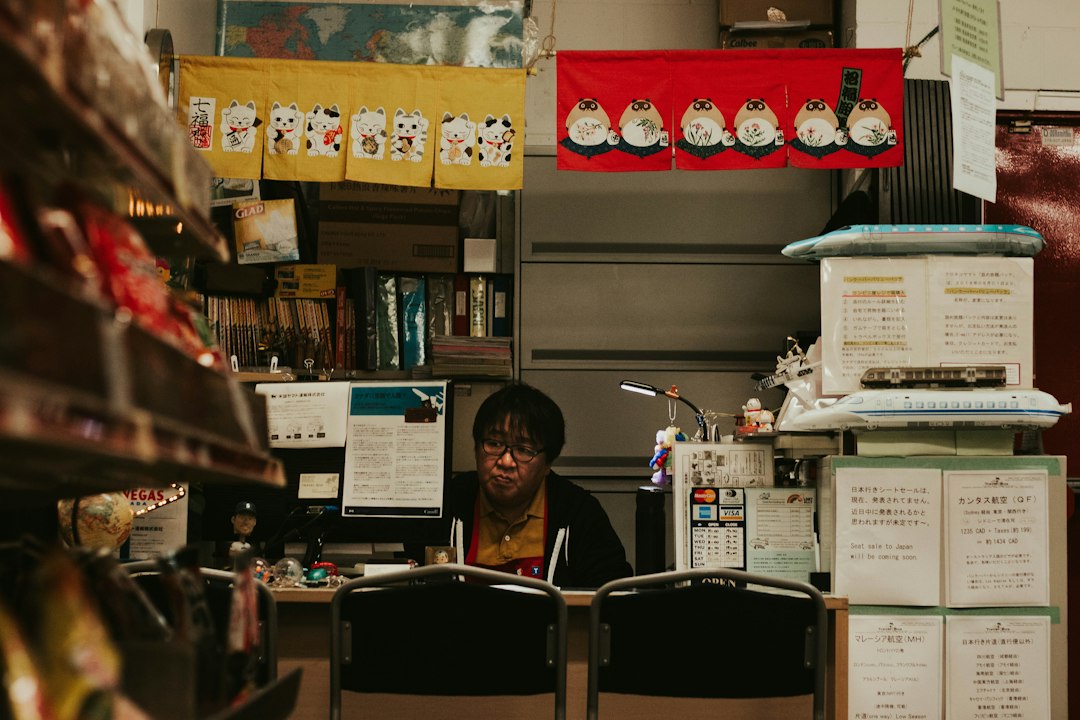
- On many policies, fire coverage depends on keeping the hood system over your cooking equipment serviced. A lapse can be a coverage problem, not only a safety one.
- Spoiled stock and a broken cooler are usually add-ons. Ask to see where each is written, and whether the limit fits your frozen and dairy stock.
- An application answer that is wrong, even by accident, can let an insurer cancel your policy back to the day it started.
Mistake 1: What happens if the hood service over my fryers lapses?
Many property policies make fire coverage depend on keeping named safety systems, such as the fire-suppression system over a cooking line, working. A lapsed service can then turn a covered fire into a denied one. Insurers call this clause a protective safeguard endorsementProtective Safeguard Endorsement A policy add-on requiring you to keep named safety systems, such as sprinklers or a monitored alarm, working, or the insurer may deny a related claim. Insurers call it a protective safeguard endorsement. more →.
Cooking was the most common cause of fires in stores and offices, at 33% of them, in 2017–2019. (Source: U.S. Fire Administration) Under the standard form of this clause, if you do not meet its conditions there is no coverage for fire damage, and you must tell the insurer when you know a listed safeguard is suspended or impaired. (Source: International Risk Management Institute, January 2025)
The usual way this goes wrong is quiet: a service contract that ends, a vendor who stops coming, a system that was set off and never recharged. Picture a store that adds a hot-food counter and fryers, and never asks whether the policy now lists them.
The fix. Put the service dates in a calendar, keep every tag and cleaning certificate, and tell your agent in writing if the system is ever out of service. Ask whether your policy carries this clause and which systems it lists. Here is how property coverage works.
Mistake 2: Does my property policy pay for spoiled stock if a cooler breaks down?
Often not on its own. Spoiled stock is usually an add-on that many owners assume they already have, and a broken compressor and a power outage can each be handled by a different part of the policy, or by none. Insurers call the add-on spoilage coverageSpoilage Coverage An add-on to a property policy that pays for stock that spoils when refrigeration fails or the power goes out. Insurers call it spoilage coverage. more →.
Time is short in a cooler. Refrigerated food stays safe for about four hours without power, and a full freezer for about 48 hours. (Source: Centers for Disease Control and Prevention) That is household guidance, but it shows how fast a Friday-night failure becomes a stock loss.
Three questions decide whether a loss falls between the pieces: does the policy cover the machine that broke, the food that spoiled, and an outage that starts off your premises? A limit set for a store that sells mostly dry goods may not fit a store with frozen, dairy and prepared food.
The fix. Ask your agent to point to each of the three on your declarations page, with the limit and any waiting period. Add up the stock in your largest walk-in and compare it to the limit. Keep the service contract and temperature logs on file, and see how to tell whether your coverage is enough.
Mistake 3: What happens if I add beer and wine and don't tell my insurer?
The insurer can refuse a claim, or cancel the policy back to the day it began, over an answer that was wrong, even by accident. The standard liability policy also generally leaves out claims for a business that sells alcohol, so a store that adds it may have no cover for that risk until it buys a separate policy.
That standard form excludes liquor claims for a business that makes, distributes, sells, serves or furnishes alcohol. (Source: International Risk Management Institute) The separate policy is liquor liabilityLiquor Liability Coverage if your business is sued after serving or selling alcohol to someone who then injures another person or causes damage. Insurers call it liquor liability. more →. In 2022 a New York appeals court let an insurer cancel two policies back to their start because the owner kept misstating a fact about the property; the court held that a misstatement that matters to the insurer is enough, even if innocent or unintentional. (Source: Insurance Journal) Rules differ by state, but the test is the same: would the insurer have written the policy had it known?
The fix. Tell your agent before the first case arrives, then pull a year of sales reports, take the alcohol share from them and report it again whenever it changes. Age checks and ID scanning can give an underwriter something to price on. See liquor liability coverage.
Mistake 4: Can I leave stockers, part-timers or family off my payroll count?
Rarely, and not safely. Workers' comp is priced on the payroll you estimate, then checked after the year ends, and in most states part-time staff count the same as full-time. Grocery work hurts people more often than average, so an injury is where a missing worker comes to light.
Grocery stores recorded 4.0 injury and illness cases per 100 full-time workers in 2024, against 2.3 across private industry. (Source: Bureau of Labor Statistics) Pennsylvania, for one, requires workers' comp for an employer with even one employee, and says part-time and family workers still count. (Source: Pennsylvania Department of Labor & Industry)
The insurer's year-end check of your real payroll is a premium audit. Payroll left off is added then, and you owe the difference. Pay for meat cutters, bakers and delivery drivers may also be sorted into different job classes than cashiers and stockers, so how you split payroll matters.
The fix. Put everyone who works your shifts on payroll and give your agent the split by job: cashiers, stockers, meat and seafood, deli and bakery, drivers. Read what a premium audit looks at, workers' comp for grocery stores and what workers' comp covers.
Mistake 5: What if I can't show how I keep the floors safe?
A customer's fall is the most common liability claim in a store, and the records of what you did and when can matter as much as the fall. Without them, an owner may have little to show an insurer or a lawyer about how fast a spill was handled.
The average slip, fall or customer-injury claim on small-business policies reached $45,000 in 2025, up from $20,000 in 2015. (Source: Insurance Journal, reporting The Hartford) Produce misting, ice in the parking lot and carts left in aisles all add to it, and the figure covers small businesses in general, not only grocery stores.
Picture a store with mats at the doors and a team that mops quickly, but no written log. After a fall, the log is what shows how often the floor was checked. Your policy wording governs what a liability claim pays; ask your agent how liability coverage responds in your case.
The fix. Keep a simple floor-check log with times and initials, keep camera footage if a customer is hurt, and report any injury to your agent as soon as you can, since your policy has a notice clause. For what underwriters weigh, see why grocery stores are hard to insure.
Common questions about grocery store insurance mistakes
Yes. Tell your agent in writing as soon as you notice it, so the insurer can correct the application or reprice the policy. A correction before a claim is far safer than a discovery after one.
Not automatically. It depends on the kind of claim, its size and your record. Do not skip reporting a claim to protect your rate, because a late report can put the coverage at risk; ask your agent.
At every renewal, and any time you change how you operate: a new deli or hot-food counter, beer and wine, a second location or your own delivery vans.
Find out which of these mistakes your policy may be hiding
Send us your current policy and your application answers, and we will compare them with how your grocery store actually runs.