
I have multiple food plants — do I need multiple policies?
Usually not. One program that lists every plant on your liability, property and workers' comp policies is the usual setup. Check the yearly limit on product liability: on a standard policy all plants share it, so one plant's bad year can leave less for the rest.
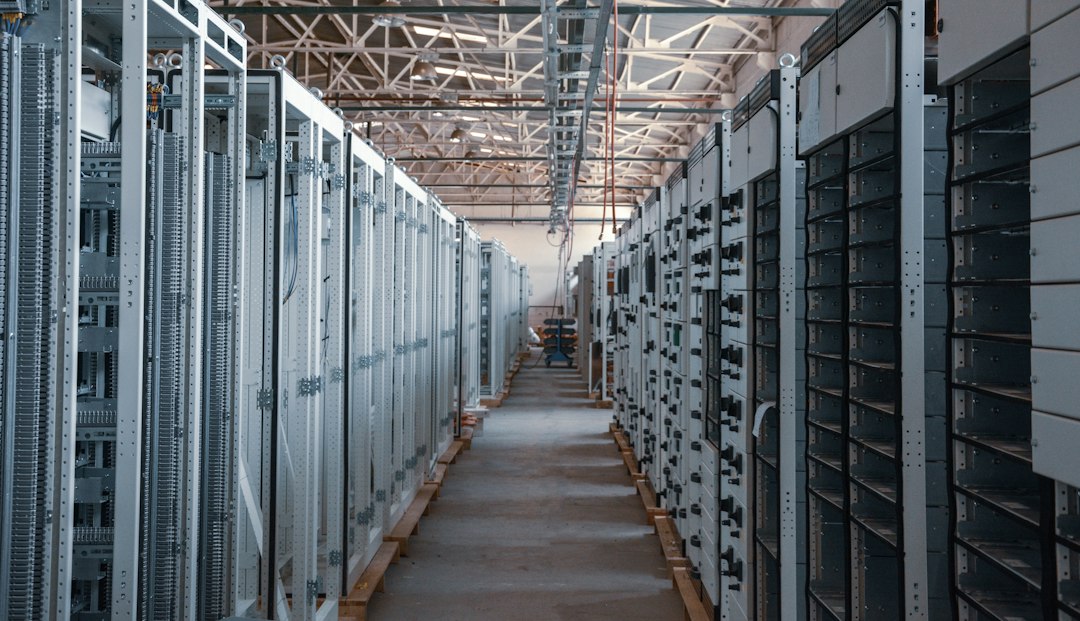 Photo by İsmail Enes Ayhan
on Unsplash
- One program with every plant listed is the usual setup. A separate policy fits when a plant has a different owner, a contract calls for one, or the law does.
- If your plants share one yearly product liability limit, two large claims from one plant can leave the others without it. Ask whether each plant can have its own.
- Tell your agent before a plant opens or changes hands, especially in a new state: workers' comp and the food license both change with the state.
Do I need a separate policy for each plant?
Usually not. One program that lists every plant on your liability, property and workers' comp policies is the usual setup, with one renewal and one set of paperwork.
Insurance follows the company, not the building. If one company owns three plants, that company is the policyholder and each plant is a location on its policies. How one policy covers several locations explains the mechanics. A plant left off the list is a gap, and why the whole business is insured together explains why.
A separate policy is the right answer in a few cases:
- Different owners. A plant held by another company, or with a different partner.
- A contract that asks for one. A buyer or a co-packer (a business that makes food for other brands) may require its own coverage for the work done at one plant. Read the insurance section before you place the policy.
- The law. Washington does not allow private workers' comp coverage. An employer there buys it from the state fund unless it is approved to self-insure, so a Washington plant's workers' comp sits outside a private program. (Source: Washington State Legislature)
How should each plant be insured?
Plant by plant. List each one with its own rebuilding cost, its own machines and stock, and its own lost-income figure, so a fire at one plant pays on what that plant holds and earns.
Report what each building and its machines would cost to replace today, and update the figure after you add a line. A newer, larger plant can be left short by an average value across the group. Commercial property coverage pays to replace the plant, its machines and its stock. Equipment breakdown coverageEquipment Breakdown Coverage Coverage for the sudden mechanical or electrical failure of equipment such as a walk-in cooler, a boiler or an elevator, which a standard property policy leaves out. Insurers call it equipment breakdown coverage. more → pays to repair a machine that breaks down and can be left out, so ask whether each plant has it. See the commercial property page. A plant that makes refrigerated or frozen product also needs spoilage coverageSpoilage Coverage An add-on to a property policy that pays for stock that spoils when refrigeration fails or the power goes out. Insurers call it spoilage coverage. more → for the stock inside, which our guide to cold-chain food makers covers. Flour, sugar, starch and spice dusts can burn or explode. (Source: OSHA) Tell your agent which plants mix or mill dry ingredients.
Business interruption coverage replaces lost income while a plant is shut after a covered loss. Your busiest plant loses the most. If plant B packs what plant A bakes, a fire at A can stop B too, so ask whether your lost-income coverage reaches that chain.
Does a plant in a new state need its own policy?
Often not a new policy, but usually new paperwork. Workers' comp has to name the new state, and the plant needs its own food license or registration there.
Liability and property. Ask whether your insurer is licensed in the new state, which makes it an admitted carrierAdmitted Carrier An insurance company licensed by your state, with its rates filed there and a state safety-net fund behind it if it fails. Insurers call it an admitted carrier. more → there. If it is, adding the plant can be a change to your policy. If not, that plant may need a different insurer.
Workers' comp. The new state's workers' comp rules apply to the staff you hire there, and the policy has to list the state. Each state's page, from Kansas to Washington, sets out its rules. Washington has its own rules, as above.
The license. States add their own food license or registration, and the agency differs by state. Our guide to food manufacturing insurance requirements by state lists them, and opening a location in a new state covers the rest.
Send your agent the plant's address, its opening or closing date, what it makes and whether it holds refrigerated product, well before it opens. What insurance a food manufacturer needs shows the coverage set to check each plant against.
Common questions about insuring several food plants
Often, though not always. One program can avoid paying minimum charges and fees on several policies, but each plant is still priced on its own products, payroll and claims. A plant with a poor claims record can raise the price of the whole program.
Usually, if you tell your agent before it opens or changes hands. Some policies cover a new location for a short time up to a capped amount, so read your wording rather than assuming.
Ask your agent to take it off the policy as of the sale or closing date, and to tell you how the change affects your premium and any lender or buyer paperwork.
Set up one program for all your plants
Tell us how many plants you run, where they are and who owns each one with a quote request.