
I own an e-commerce business — what insurance do I need?
An online seller needs five core coverages: product liability, for something you sold that hurts someone; general liability, for other injury and advertising claims; commercial property, for stock after fire or theft; cyber liability, for a data breach; and business interruption, for income lost while covered damage stops shipping. Two more depend on the business: workers' comp if you have employees, and cargo and goods in transit if you own goods on the move or stored elsewhere. Umbrella and employment practices liability, for lawsuits from your own staff, are common add-ons.
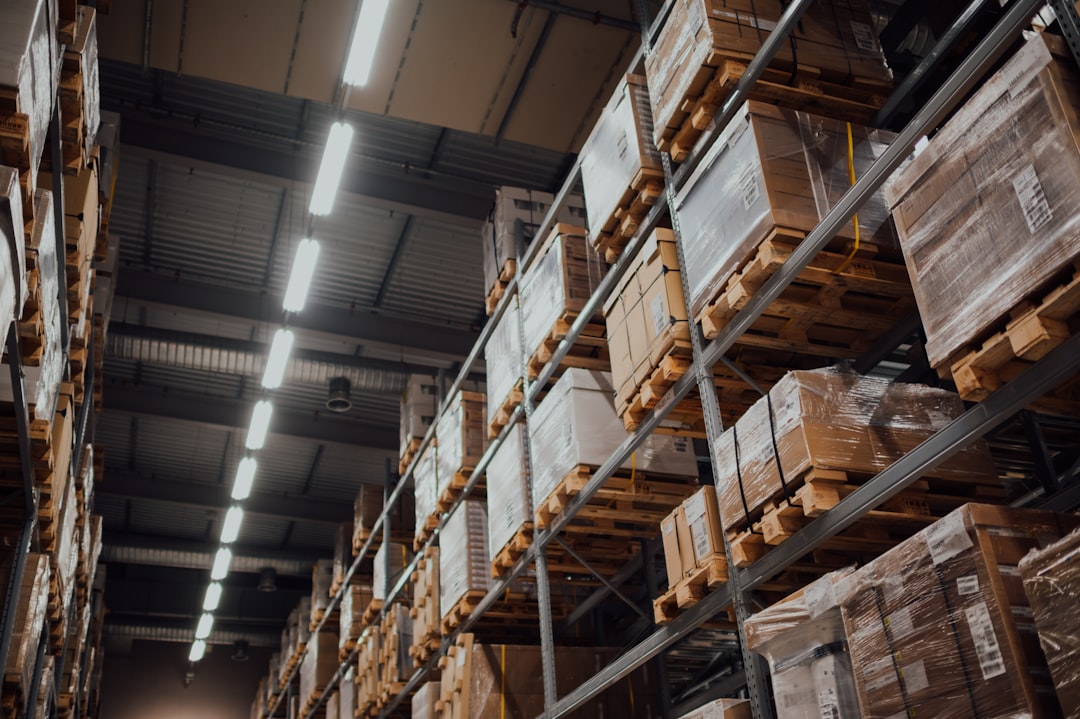 Photo by CHUTTERSNAP
on Unsplash
- Five core coverages carry most online sellers. Workers' comp and cargo coverage depend on the business. An umbrella and employment practices liability are common add-ons.
- A property policy covers stock only where it lists. Stock at a warehouse you do not run, or in a vehicle, can fall outside it.
- Business interruption generally responds to physical damage, such as a warehouse fire. It does not respond to a suspended marketplace account.
Which coverages does an online seller need?
Five core coverages fit most online sellers. Two more depend on how you run the business, and a few add-ons sit on top. State law requires only workers' comp, once you have employees, and auto liability for a vehicle you drive. Landlords, lenders, warehouses and marketplaces ask for the rest.
| Coverage | Pays for | You need it if | Who requires it |
|---|---|---|---|
| Product liability | Injury or damage from something you sold | You sell anything someone could be hurt by | Marketplace agreements can |
| General liability | Other injury, property damage and advertising claims | Anyone ever visits your space or your site | Landlords and warehouse contracts often ask |
| Commercial property | Stock, equipment and packaging after fire, theft or water | You own stock or equipment | Lenders and landlords often ask |
| Cyber liability | Notifying customers and investigating a data breach | You hold customer or payment data | Recommended; state law sets notice duties |
| Business interruption | Lost income after covered physical damage | A month without shipping would strain payroll or loans | Recommended; a lender may ask |
| Workers' comp | Medical bills and lost wages for staff hurt at work | You have employees, part-time packers included | State law; each state sets its own start |
| Cargo and goods in transit | Your goods while they travel or sit elsewhere | You own goods in transit, import them or store them elsewhere | Recommended; your contracts decide who bears the risk |
| Commercial auto | Accidents in a vehicle the business owns | The business owns a delivery vehicle | State law, for any vehicle you drive |
Often, your landlord and lender will have specific insurance requirements you must meet to stay in compliance. A marketplace's seller agreement can also require product liability coverage. Our guide to seller agreements explains what to check.
What if something I sold hurts someone?
Product liability coverage is designed to pay defense costs and a covered claim when a product you sold hurts someone or damages their property. It applies whether you made the product, imported it or only resold it. A marketplace's seller agreement can require it; no state does.
Where you sit in the supply chain sets your exposure. Some states shield a seller that only resold a product. Kansas drops that shield when the maker cannot be reached. (Source: Kansas statutes) Louisiana treats a business that labels a product as its own as the maker. (Source: Louisiana statutes) So does Washington for a product sold under the seller's brand. (Source: Washington statutes) If you import goods or use your own label, ask your agent how the policy treats you as the maker.
General liabilityGeneral Liability (GL) Coverage for injuries and property damage your business causes to other people, plus certain advertising claims. Insurers call it general liability. more → covers the rest: a courier hurt at your loading door, damage to someone's property, or an advertising claim. Ask whether your policy pays recall costs, the cost of pulling a product back from buyers. Many liability policies leave them out. No state requires general liability, but landlords and warehouse contracts often do.
How do I insure my stock, my shipments and my income?
Commercial property coverage pays to replace stock, equipment and packaging after a fire, theft or water damage, but only at the places your policy lists. Where your stock sits changes what you need. Landlords and lenders often require it; no state does.
A standard property policy's cover for stock away from your premises is usually small, and it generally does not apply to property in or on a vehicle. Stock at another company's warehouse, or on its way to you, usually needs a listed location, a higher limit or cargo and inland marine coverageInland Marine Coverage for business property that moves or sits away from your premises, such as tools, equipment, or goods in transit. Insurers call it inland marine. more →, which follows goods that travel. See how cargo coverage works.
A warehouse is generally liable only if it failed to use reasonable care, and its storage agreement can cap what it pays. A marketplace that repays lost stock in its fulfillment center follows its own policy, which is not insurance. Ask which of your stock each policy covers.
In U.S. warehouse fires, 18% started between midnight and 6 a.m. but caused 40% of the damage. Operating equipment was the most common heat source. (Source: NFPA) Check what runs unattended overnight, such as battery chargers.
Business interruption coverage replaces income while a covered loss stops you shipping. It generally responds to physical damage, such as a fire at your warehouse, and not to a marketplace suspending your account. Ask your agent to show you where the trigger is written. No law requires it, though a lender may ask.
What about customer data and my employees?
Cyber liability coverage pays for the cost of a breach of customer or payment data, such as notifying customers and investigating. No state requires the policy, but state law sets the notice duty. Workers' comp pays an employee's medical bills and lost wages after a work injury. State law requires it once you have employees.
Selling through a platform does not by itself remove your duty to protect customer data. State laws require a business to notify customers after a breach, and the duty follows where the customer lives. The deadline differs by state, and our state-by-state guide has the numbers. A seller who ships to many states can face several deadlines.
Each state decides when workers' comp starts. Some begin with the first employee, part-time packers included, and others set a payroll or headcount line. Our workers' comp guide for online sellers covers the rules and the cost. The state-by-state list links each law page.
What if I own a vehicle, advise customers or want more coverage?
Commercial auto coverage applies if the business owns a delivery vehicle, and professional liability only if you also design or advise to order. Two add-ons sit on top of the core set.
State law sets a minimum for auto liability on any vehicle you drive. An umbrellaUmbrella/Excess Liability Extra liability coverage on top of your other policies that pays when a big claim uses up their limits. Insurers call it umbrella or excess liability. more → pays when a large claim uses up the limits of your other liability policies, and a lease or contract can ask for one. Here is how to tell whether you need one. Employment practices liabilityEmployment Practices Liability (EPLI) Coverage if an employee sues you over how you hired, treated, or fired them, such as discrimination or wrongful termination. Insurers call it employment practices liability. more → pays when an employee sues over hiring, treatment or firing, and it matters once you have staff.
To check your limits, see is this enough coverage? To price the set, start with what to prepare for a quote and what e-commerce insurance costs.
Common questions about what insurance an online seller needs
Only part of it. State law requires workers' comp once you have employees, and auto liability for any vehicle you drive. A lease, a lender, a warehouse or a marketplace asks for most of the rest.
Usually yes for product liability, because you still sold the product. Property and cargo needs shrink when you hold no stock. Ask your agent how each policy treats goods you never touch.
Ask your insurer in writing. Home policies are written for homes and often treat business stock and liability narrowly. Read the wording before you rely on one.
Find out which of these your online store needs
Tell us what you sell, where your stock sits and where you sell, or send your current policies. We will show you which coverages fit and where the gaps are.