
What do I need to prepare for an e-commerce insurance quote?
To quote an online seller's business insurance, an agent needs twelve answers: where you sell, who imports and who made the goods, where stock sits, what you sell, how you take payments and your claims history. The table below lists each one, why it is asked and where to find it. Print it.
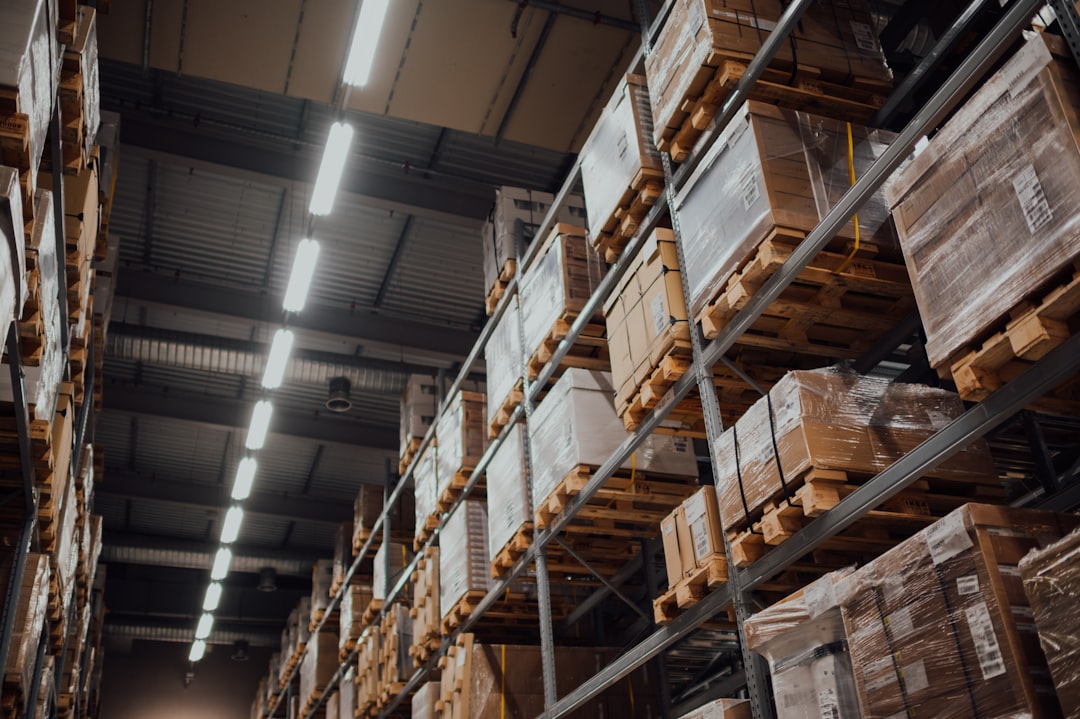 Photo by CHUTTERSNAP
on Unsplash
- Who imports your goods, who made them and where they sit decide which insurers can quote you. Know those three first.
- Most items come from reports you already have: marketplace dashboards, your store platform, your accounting software and your supplier contracts.
- A missing item is rarely the end. Say what is missing, and the agent can tell you the fix and whether it changes who quotes.
What should you have ready before you ask for a quote?
Have twelve items ready, from your sales by channel to your claims history. Each one answers a question an insurer asks about an online seller, and most are already in your reports and contracts.
| What to have ready | Why they ask | Where to find it |
|---|---|---|
| Sales by channel: your own site, marketplaces, wholesale or a store | Mostly online sellers are priced and routed differently | Marketplace dashboards, store platform, accounting software |
| Who imports your goods: you or a U.S. importer | The importer carries the liability and the duties | Freight forwarder or customs broker statements |
| Brands and makers: your own label or others, where each is made, any fur, sheepskin, leather or down | Your own label can make you the maker; animal products limit who quotes | Supplier contracts, purchase orders, product list |
| The maker's insurance and whether it names you | Shows whether anyone else stands behind the product | Written contract with the maker; its certificate |
| Product types: children's goods, supplements, cosmetics, batteries, with share of sales | Highest-severity goods carry extra safety rules and some marketplace rules | Product list, test reports, safety certificates |
| Where stock sits: your space, a third-party warehouse or a marketplace fulfillment center; any repacking or relabeling in the U.S. | Location decides the property cover; repacking can make you the maker | Storage agreement, marketplace inventory report |
| Stock value, average and at the busiest time | Sets the property limit | Inventory report, accounting software |
| How you take card payments: a processor or your own system | Decides what a data breach could cost you | Payment processor account, store settings |
| Who works for you: employees, part-time packers, contractors, payroll | Workers' comp is priced on payroll | Payroll reports, contractor invoices |
| Current policy, renewal date and any certificate deadline | The old policy and a deadline set your timeline | Declarations pageDeclarations Page The summary page at the front of your policy showing who is covered, for how long, which coverages, the limits, and the price. Insurers call it the declarations page. more →, marketplace or warehouse notice |
| Three to five years of claims history | It shows how you have run the business | Each earlier insurer; or a signed no-loss statement |
| Every business name you sell under, and the legal entity behind each | The policy has to name each business that sells or imports | Formation papers, tax return, seller account |
The two highlighted rows matter most. They decide whether the insurer treats you as the maker of what you sell. U.S. Customs says the importer of record, the business legally responsible for bringing the goods in, is ultimately responsible for the entry papers and the duties, even when a broker files them. (Source: U.S. Customs and Border Protection) The general version of this list is in what to prepare for a business insurance quote.
What if you don't have an item on the list?
Say so, and say what you plan to do about it. A gap you name up front is easier to place than one an insurer finds later. Five items come up most.
- No proof of the maker's insurance: ask the maker in writing for its certificate (see what a certificate of insurance is) with your business named on it as an additional insuredAdditional Insured Another person or business covered under your liability policy for claims tied to your work or property, such as a landlord or general contractor. Insurers call them an additional insured. more →. A factory abroad may have none. Then tell your agent, and get a written agreement with the maker in place of a bare purchase order.
- No sales report by channel: export the last twelve months from each channel. The total should match your tax return. If it does not, note why.
- No claims history: a loss runLoss History / Loss Run Your record of past claims, and the report from your insurer, usually covering five years, that lists them. Insurers call the record loss history and the report a loss run. more → is the insurer's record of every claim. Ask each earlier insurer for one. If you never had a claim, a signed no-loss statement stands in.
- No safety certificate for children's goods: federal law requires importers and domestic makers of children's products to certify them. (Source: Consumer Product Safety Commission) Ask the maker for the test reports behind it.
- Not sure who imports: ask your forwarder or broker whose name is on your shipments, and get the answer in writing.
Why does it matter who made and who imported the product?
Because an insurer asks who a hurt buyer can go after. Federal product safety law calls anyone who makes or imports a consumer product a manufacturer. (Source: Cornell Law School, 15 U.S.C. 2052) That definition is for safety law, not for every injury claim. Insurers use the same idea.
State law adds to it. Kansas shields some sellers only when the maker can be served and would likely pay a judgment. Louisiana counts a seller who labels a product as its own as the maker. Washington does the same for a product sold under the seller's brand name. Ask your attorney how your own goods are treated.
So the insurer wants proof that someone else stands behind the product: a written contract with the maker, its insurance, and your name on it. Without them, the seller's own product liability coverage is the one asked to respond.
Which policies do these answers feed into?
An online seller needs five core coverages: product liability, for something you sold that hurts someone or damages their property; general liability, for other injury, damage and advertising claims; commercial property, for your stock, equipment and packaging; cyber liability, for a breach of customer or payment data; and business interruption, for lost income while a covered loss stops you shipping.
Two more depend on the business. Workers' comp applies if you have employees, part-time packers included. Cargo and goods in transit applies if you own goods while they travel, import them or keep stock in someone else's warehouse. Umbrella and employment practices liability are common add-ons. Employment practices liability covers lawsuits from your own employees. Your answers on stock location, imports and payments tell the agent which of these to price. One widely used property form pays up to $10,000 for stock kept briefly away from your premises. It does not apply to goods in or on a vehicle. (Source: Independent Insurance Agents & Brokers of America, form text) Stock in a third-party warehouse or in transit often needs more, so check your own policy.
Anvo works with online sellers who are already selling to customers, on their own site or a marketplace, including newer businesses and sellers who import their own inventory. It places accounts with standard insurers. Where needed, it uses the surplus-lines market through wholesale access. It does not write a side business run from a spare room. Send your answers through the quote form or call +1 (913) 845-9688. Our guide to the coverages an online seller needs goes deeper, and what the price depends on comes next.
Frequently asked questions about preparing an e-commerce insurance quote
Not to start. What matters first is knowing whether you or a U.S. importer imports the goods. Papers can follow if an underwriter asks for them.
It can narrow which insurers quote you, and you may be sent to a specialist market. Leaving it out is the bigger risk, because an insurer that finds undisclosed products after a claim can deny it. Check your own policy wording and ask your agent.
Do not assume it does. A warehouse's insurance may cover its own operations and not your goods, and a marketplace's repayment terms are not an insurance policy. Ask for the storage agreement or the reimbursement terms in writing, and ask your agent how your property policy treats stock held elsewhere.
Often yes, but with fewer facts to price on, fewer insurers may quote. A signed no-loss statement, clean sales reports by channel and a written maker contract help an underwriter judge the business.
Have your answers ready? Send them over.
Send what you have and tell us what is missing. We will take your file to the insurers that write online sellers like you.