
I run my e-commerce business from multiple locations — do I need multiple policies?
Usually not. An online seller with several warehouses, sales channels or brands under one owner can carry one program that lists every warehouse and names every company. Two things need checking: that each company is named, and how the yearly liability limit is shared across your brands.
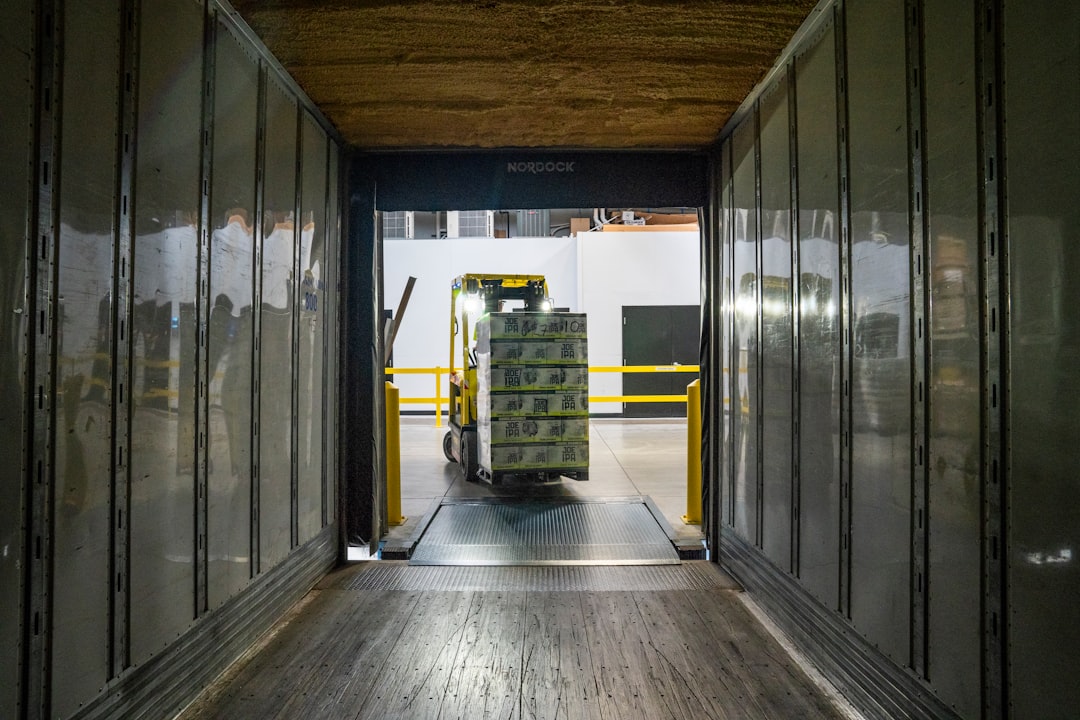
- One program is the norm when one owner runs everything. Each warehouse is listed on it, and each separate company is named.
- Your liability policy has a yearly limit that every brand and channel draws from. Ask what is left after two large claims.
- Stock in a third-party warehouse or a marketplace's fulfillment center is not automatically on your property policy. Tell your agent where it sits.
Do I need a separate policy for each warehouse, channel or brand?
Usually not. Insurance follows the legal owner, so one company with several warehouses, sales channels and brands generally runs on one program. Each warehouse is listed, and each separate company you own is named on it.
For an online seller, "multiple locations" means one of three things: several warehouses (your own, a third-party warehouse that stores and ships for you, or a marketplace's fulfillment center), several sales channels, or several brands. Channels and brands do not need policies of their own. They need to be described on the one you have, and how one policy covers several locations explains the mechanics. Why the whole business is insured together explains why a warehouse or brand left off the list is a gap.
A quick test:
- One company, many warehouses, channels or brands. One program. List every address where your stock sits, including third-party ones, and describe every brand and channel.
- Several companies with the same owner, such as one company per brand and another that imports. Usually one program with each company named. Your agent can split them if their risks differ.
- A company with different co-owners. Its own policies, because different people own it.
- A new brand. Ask your agent before launch. Do not assume a new company is covered because the first one is.
Our guide to what insurance an e-commerce business needs lists the five core coverages that sit on that one program: product liability, general liability, commercial property, cyber liability and business interruption.
Is my stock covered at every warehouse?
Only where the policy says so. Property coverage follows the addresses listed, and stock held somewhere you do not own or lease is the common gap.
| Where the stock sits | What to ask your agent |
|---|---|
| Your own or leased warehouse | Is the address listed, with a stock value for peak season? |
| A third-party warehouse | Is the address listed, and what does the storage contract pay? |
| A marketplace's fulfillment center | Is that stock listed? The marketplace's reimbursement terms are a contract, not a policy. |
| On a truck or ship to you | Is goods-in-transit coverage in place? |
A warehouse owes you reasonable care of your goods, but the storage agreement can cap what it pays, and you can ask in writing for a higher limit, sometimes at a higher storage rate. (Source: Uniform Commercial Code 7-204, Cornell Law School) A property policy's cover for stock at a place you do not own, lease or operate is usually small and generally leaves out property in or on a vehicle, so ask to see the figure in your own policy.
Larger amounts usually need the address listed on your property policy with its own limit, or cargo and inland marine coverageInland Marine Coverage for business property that moves or sits away from your premises, such as tools, equipment, or goods in transit. Insurers call it inland marine. more →, which pays for goods you own while they travel. See cargo and inland marine.
Whose names have to be on the policy?
Every company that owns stock, sells to customers or imports your goods. A warehouse or marketplace may also ask for a certificate that names it.
The named insuredNamed Insured The person or business listed on your policy as the policyholder, with the right to change or cancel it. Insurers call this the named insured. more → is the company listed as the policyholder. If you run brands through separate companies, each one that sells, owns stock or imports needs to be named, or a claim against it can fall outside the policy. The importer of record, the business legally responsible for bringing goods in, is the company on the customs papers. Name that company on the policy too. Ask your agent to show you the list of names.
Some marketplaces and warehouses ask that the name on your proof of insurance match the account or storage agreement, and that they be named on it. Proof of insurance is a certificate; what a certificate of insurance is explains it.
What if I open a warehouse in a new state?
Tell your agent before stock arrives. Ask whether your liability and property cover stretch to a new address, and whether your insurer is licensed in that state. Workers' comp has to name the state if staff work there.
Workers' comp follows where people work, so a packer in a new state means that state has to be on the policy. Washington is the one of the eight states this guide covers where workers' comp is bought only from the state. (Source: Washington RCW 51.16.060) The other seven are on our workers' comp laws by state pages.
Read opening a location in a new state and e-commerce insurance requirements by state. Send your agent the address, the opening date, what the warehouse will hold and any storage contract.
Common questions about insuring several locations
Often, though not always. You pay one set of fees and keep one renewal date, but each brand is still priced on its own sales, stock and claims. A risky product line can raise the price of the whole program.
Usually, if you tell your agent before stock arrives. Some policies cover a new location for a short time at a capped amount, so read your wording before relying on that.
Ask your agent to remove it as of the sale date, and ask whether your policy responds to claims about products you sold before that date.
Put all your warehouses and brands on one program
Tell us where your stock sits, which companies you own and which channels you sell on, and we will show you how they fit on one program.