
5 coverage gaps in a typical e-commerce policy
An online seller's commercial policy can have five common gaps: nothing for goods in transit, a stock limit set before the busy season, no recall costs, lost-income cover that needs physical damage, and breach costs left out. Each gap comes down to one line in your policy and one question for your agent.
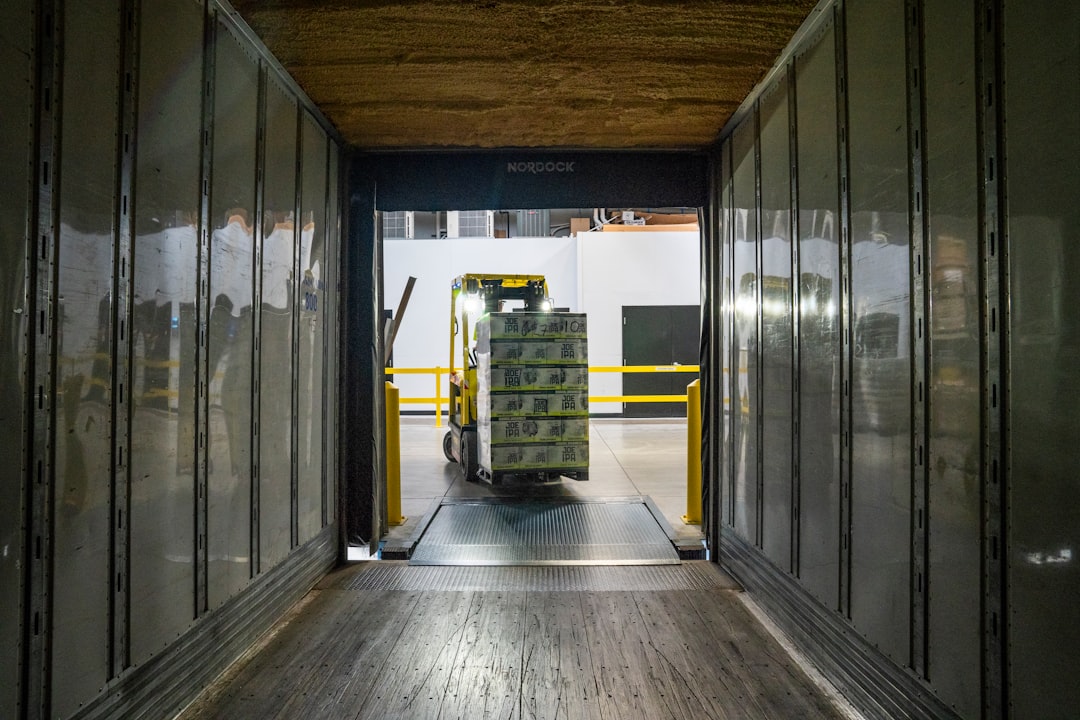
- These five cover three of the four kinds of gap: three missing coverages, one limit that is too low and one condition that limits cover. None is a wrong setting.
- Lost-income cover generally responds to physical damage, such as a fire at your warehouse. It generally does not respond to a marketplace suspending your account.
- For each gap, find one line in your policy and ask your agent one question.
| Gap | Kind | How to spot it | Fix |
|---|---|---|---|
| 1. Goods in transit | Missing coverage | No cargo or inland marine line on your policy | Add transit cover; check shipping terms |
| 2. Stock limit set before the busy season | Limit too low | Stock limit below your highest stock value | Raise it before the season |
| 3. Recall costs | Missing coverage | Policy is silent on recall expense | Ask to add it |
| 4. Lost income without physical damage | Condition limits cover | Income cover needs damage to covered property | Ask what triggers it and what it reaches |
| 5. Breach and card costs | Missing coverage | No cyber line, or no notice or card costs in it | Add or widen cyber cover |
Gap 1: Is my stock covered while it travels to me?
Often not by your property policy alone. A standard property policy covers stock at your address, and its cover for stock elsewhere generally does not apply to goods in or on a vehicle. Inland marineInland Marine Coverage for business property that moves or sits away from your premises, such as tools, equipment, or goods in transit. Insurers call it inland marine. more → cover, also called cargo cover, is the policy for goods on the move.
Picture Sam, who buys stock from an overseas supplier. After the shipment clears customs, a truck takes it to his warehouse and is damaged on the way. His property policy covers stock at the warehouse, not on the truck. Whether the supplier, the freight company or Sam carries the loss depends on the shipping terms in his contract, which fix when ownership passes. If those terms leave the risk with Sam, he is out goods he paid for and cannot sell. A standard property form's off-premises cover does not apply to property in or on a vehicle. (Source: Independent Insurance Agents & Brokers of America, property form text)
See cargo and inland marine coverage.
What to say to your agent. “Which of my shipments does my policy cover on the road, who carries the risk under each supplier contract, and where does the carrier's cover stop?”
Gap 2: Is my stock limit high enough for the busy season?
Your property policy pays up to the stock limit written on it. If you set that number in the spring and hold more stock in the fall, you carry the difference.
Picture Tomás, who set his limit at $250,000 when the shelves held about that much. By November, ahead of the holidays, he has $400,000 of goods. A fire destroys the lot. The policy pays up to the limit, and Tomás pays the rest.
| What happens | Amount |
|---|---|
| Your stock in the busy season | $400K |
| The stock limit you set in spring | $250K |
| A fire destroys all of it | $400K |
| The policy pays up to the limit | $250K |
| You pay the rest ($400K − $250K) | $150K |
Illustration only, with round numbers; the deductible is left out. It is not a statement of what any policy pays; your own policy wording governs.
Across U.S. warehouse fires in 2020 to 2024, direct property damage averaged $314 million a year. Compare your stock limit with your highest stock value, not with last spring's. (Source: National Fire Protection Association) Business personal propertyBusiness Personal Property (BPP) The things inside your business you would have to replace after a loss, such as furniture, equipment, inventory, and supplies. Insurers call this business personal property. more → is the stock, equipment and supplies inside your business, and its limit is the number to check. Read how to value what is inside.
What to say to your agent. “What is my stock limit, what was my highest stock value last year, and can the limit rise with my stock?”
Gap 3: Does my policy pay if a product has to be recalled?
Ask, because a recall is not an injury claim. Product liability pays when something you sold hurts someone or damages their property. Pulling a product from sale, telling buyers and getting it back is a separate cost.
Picture Keiko, who sells small battery-powered fans. A safety agency posts a warning about a model she stocks, and she decides to stop selling it, tell buyers and take units back. Nobody has been hurt, so there is no injury claim. The costs are hers unless her policy lists recall expense. Whether a liability policy pays recall costs is not something to assume, so ask.
See product liability coverage. Who pays for a recall also belongs in your contract with the maker, as 5 insurance mistakes e-commerce owners make explains.
What to say to your agent. “Does my policy pay the cost of a recall, such as notifying buyers and taking units back? If not, can it be added, and at what limit?”
Gap 4: Will lost income be paid if a marketplace suspends my account?
Generally not. Business interruption cover generally responds to physical damage, such as a fire at your warehouse. It generally does not respond to a marketplace suspending your account.
Picture Rosa, who sells almost everything through one marketplace. Her account is suspended during a listing review, and sales stop. She asks her agent about income cover. The policy asks for damage to covered property, and a suspension is not that, so her lost sales may be hers to carry. A separate extension, contingent business interruption, can pay lost income when a supplier or warehouse you depend on is damaged. Ask whether your policy has it.
See business interruption coverage and what a policy covers across the business.
What to say to your agent. “What has to happen for my lost income to be paid, does it reach a warehouse or supplier I do not own, and what does it not cover?”
Gap 5: What does my policy pay if customer or card data is stolen?
Only a cyber policy responds, and not every one pays the same things. Cyber liability pays the cost of a breach of customer or payment data, such as investigating, notifying customers and defending claims. Whether it pays card-brand fines depends on the policy.
Picture Hannah, a Kansas seller whose site is hacked, exposing customers' names, addresses and cards, many of them in New York. The duty follows where the customer lives. New York requires notice no later than 30 days after discovery. (Source: New York General Business Law 899-aa) Washington sets the same limit. (Source: Washington RCW 19.255.010) Hannah has no cyber policy, so she may pay for the investigation, the notices and any claims herself.
See cyber liability coverage, the full list of coverages an online seller needs and how to tell if your coverage is enough.
What to say to your agent. “Do I have cyber cover, does it pay notification, investigation, legal defense and card-brand fines, and who do I call first after a breach?”
Common questions about e-commerce coverage gaps
Ask your agent to point to each coverage on your policy summary page, with its limit. A line that does not exist is the gap.
Usually not. An umbrella adds liability limits on top of your other policies. It does not add transit cover, a higher stock limit or breach cover.
Usually yes for cover you add, because it pays for a new risk. Ask for the price of each fix separately.
Find out which of these gaps your policy may have
Send us your current policy and tell us how you sell, and we will compare the two.