
What do I need to prepare for a commercial building insurance quote?
To get a quote for a commercial building, have ready what each building is, who is in it, how it is protected and kept up, your past losses, what your lender and leases ask for, and any staff or vehicles. The tables below say why insurers ask, where to find each item and what to do if you don't have it.
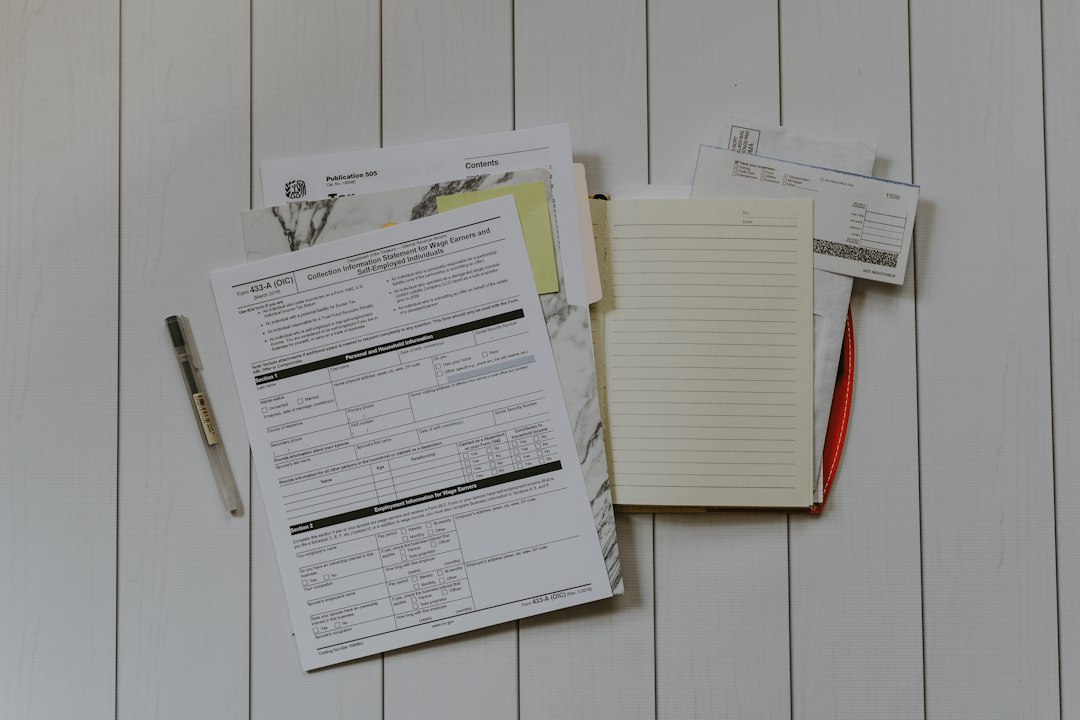 Photo by Kelly Sikkema
on Unsplash
- Insurers decide from what the building is made of, what happens inside it, how it is protected and your loss record. Put those answers on one page before you ask.
- Loss reports and a rebuild-cost estimate take the longest to get. Ask for both first.
- Round estimates are fine to start. Never guess at something you can look up, such as the year built or the age of the roof.
What should I have ready about each building?
Have your states, the date you need coverage by, your years in business and revenue, and your current policy. Then, for each building, have the address, year built, size, construction and a rebuild cost.
| What to have ready | Why they ask | Where to find it | If you don't have it |
|---|---|---|---|
| States where your buildings stand, and the date you need coverage by. | Insurers file rates and rules state by state. A loan or lease can set a deadline. | Deeds; renewal notice; loan documents. | Give your renewal date, or say there is no fixed date. |
| Years in business and revenue, from rent and any other income. | They use it to decide whether to quote and how large the account is. | Tax return; rent roll. | Give a rounded estimate of this year's income. |
| Current insurer, policy numbers and renewal date. | A new quote has to match or improve on what you carry now, and the renewal date sets your deadline. | Front page of each policy; renewal notice. | Ask your agent or insurer for copies. |
| Number of buildings; for each, the address, year built and square feet. | Size and age drive the price and the questions about roof, wiring and pipes. | Deed; tax bill; appraisal. | Your local tax assessor's record often lists year built and size. |
| Construction and stories: wood frame, brick, steel or concrete. | Construction is one of the four things an insurer reviews to rate a building for fire. | Plans; appraisal; inspection report. | An appraiser or your agent can state it from a visit. |
| A rebuild-cost estimate for each building. | The building limit should pay to rebuild it. Lenders commonly ask for full replacement cost. | An appraisal; an estimate from your agent or a contractor. | Ask for an estimate before you renew. Do not use the purchase price or the loan amount. |
Replacement costReplacement Cost Value (RCV) What it costs to repair or replace damaged property with a new equivalent, without subtracting for age or wear. Insurers call this replacement cost value. more → is what it takes to replace the damaged building with materials of like kind and quality, with no deduction for age or wear. (Source: IRMI, definition of replacement cost) The purchase price includes the land and the loan amount follows your lender's rules, so neither says what it costs to rebuild. To see what the building policy pays for, read our commercial property page.
What should I have ready about who is in the building?
Have a list of every tenant and what each one does, your rent roll, and how much of each building is empty or used by you. Insurers price the building by what happens inside it.
| What to have ready | Why they ask | Where to find it | If you don't have it |
|---|---|---|---|
| Tenant list by type of business, and your rent roll. | What tenants do changes the fire risk. The rent roll also sets how much rent the policy should protect. | Leases; rent roll. | Make a one-page list: tenant, space, use, monthly rent, lease end. |
| Space you use yourself, and how much. | Rent-loss cover is built for rented space. Your own space is shown differently. | Floor plans; your own records. | Give the square feet and ask your agent how your space is shown. |
| Any empty space, and for how long. | A policy can limit cover once a building counts as empty. The test is in the policy wording. | Rent roll. | Tell your agent before the policy starts. |
| Any restaurant or food tenant, with the hood cleaning record and the kitchen fire system service tag. | A kitchen tenant changes the fire risk for the whole building. | The tenant; the hood contractor; the tags on the equipment. | Ask the tenant for the last report and add it to the lease. |
A hood suppression systemHood Suppression System A fire-extinguishing system built into a commercial kitchen hood and duct that sprays chemical over the cooking line when a fire starts. Insurers call it a hood suppression system. more → is the fire-extinguishing system built into a commercial kitchen hood. Your local fire code official sets how often hoods and ducts must be inspected, and a tenant's written record shows the schedule is kept. If your own business uses part of a building, rent-loss cover can also pay the fair rental value of the space you use, so ask your agent how that space is shown. (Source: IRMI, definition of rents or rental value insurance)
What should I have ready about fire protection and the building's condition?
Have your sprinkler and alarm details, and the age of the roof, wiring, pipes and heating. A recent inspection report answers most of what an insurer asks.
| What to have ready | Why they ask | Where to find it | If you don't have it |
|---|---|---|---|
| Sprinklers: whole building or part, last inspection, and whether the alarm is monitored. | Fire protection changes the price. It can also be a condition of the policy. | Fire protection contractor; inspection tag. | Ask the contractor for a report. |
| Roof: age, material and last repair. | Roof age drives the questions about wind and hail. | Contractor invoices; inspection report. | Have a roofer inspect it before you renew. |
| Wiring: panel age and last inspection. | Old or overloaded wiring can start a fire. | Electrician's invoices; inspection report. | Have an electrician look it over. |
| Pipes, heating and cooling: material and age; any boilers or elevators. | Water damage and breakdowns lead to claims. An older system brings more questions. | Contractor invoices; service tags; inspection certificates. | Ask whoever last serviced them. |
| Distance to the nearest fire station and hydrant. | Insurers grade how well the local fire service can reach each address. | Your agent can look it up. | Skip it. The insurer finds it. |
| Storm exposure: how near the coast, and your current storm deductible. | Some policies set the storm deductible as a percentage of the insured value. | The summary page at the front of your policy. | Ask your agent to read it with you. |
If a sprinkler system or alarm is ever shut off for work, tell your insurer first, because a policy can make working safeguards a condition of cover. (Source: IRMI, definition of protective safeguards endorsement) The grade the table mentions is a score from 1 to 10 that insurers give an address for local fire response, and you cannot change it. Our guide to why a commercial building can be hard to insure explains which of these items worry insurers most.
What should I have ready about past losses, my lender and my leases?
Have five years of loss reports, the insurance pages of your loan papers, and the insurance pages of your leases. They show what the policy has to do.
| What to have ready | Why they ask | Where to find it | If you don't have it |
|---|---|---|---|
| Loss reports for property, liability and workers' comp. | Past claims shape the price and which insurers will quote. | Each insurer sends them on written request. | Ask in writing now. Meanwhile list each claim with its date, amount and what changed. |
| Loan papers: lender, loan amount and the insurance section. | Lenders commonly ask for replacement cost, loss of rents, flood cover and notice of cancellation. | Loan documents; closing file. | Ask your lender for its insurance requirements page. |
| Flood map check for each building. | Flood is a separate policy, and your lender checks the map. | Loan papers; the federal flood map. | Ask your agent to look up each address. |
| Insurance article of each lease, and any exhibit. | Your policy and each tenant's policy have to fit together. | Your leases. | Send the insurance pages you have. |
| Each tenant's current certificate of insurance. | It shows what each tenant carries now. | The tenant or the tenant's agent. | Ask each tenant to send one. |
A loss runLoss History / Loss Run Your record of past claims, and the report from your insurer, usually covering five years, that lists them. Insurers call the record loss history and the report a loss run. more → is your insurer's report of every claim on a policy. It is the first paper to request, because it comes from someone else. On flood, federal law says a regulated lender may not make, increase, extend or renew a loan secured by improved real estate in a special flood hazard areaSpecial Flood Hazard Area An area the federal government maps as having a high flood risk. A federally regulated lender usually requires flood insurance on a loan secured by a building there. more → unless the property has flood insurance for at least the loan balance or the most the program offers, whichever is less. (Source: US Code, 42 U.S.C. 4012a) Ask your lender whether this applies to your loan.
A certificate of insuranceCertificate of Insurance (COI) A one-page proof of your coverage, showing the insurer, policy number, and limits, that you hand to a landlord or client. Insurers call it a certificate of insurance. more → is a one-page proof of coverage. Our guide to what a certificate of insurance is shows what one looks like. To compare what your leases ask of tenants with what they carry, read what insurance to require from tenants.
What should I have ready if I have staff or vehicles?
If anyone works for you, have payroll by job and your contractors' certificates. If the business owns a truck or van, have the title and a list of who drives it.
| What to have ready | Why they ask | Where to find it | If you don't have it |
|---|---|---|---|
| Staff: maintenance, cleaning, a resident superintendent, office or leasing, with pay for each. | Workers' comp is priced by type of job. | Payroll report. | List who works in the buildings and estimate pay by job. |
| Contractors you hire, such as roofers or cleaners, with their workers' comp certificates. | Some state laws reach back to the owner when a contractor has no workers' comp. Ask your attorney. | Your contractor files. | Ask each contractor for a current certificate. |
| Vehicles: any truck or van the business owns, and who drives it. | An owned vehicle needs its own auto cover. | Vehicle titles; driver list. | Skip this row if you have none. |
Most people who work for you count for workers' comp, including part-time and seasonal staff. Whether a contractor or a temp counts depends on your state's test, so check the state page before you assume someone is outside it. To see what those policies pay for, read our workers' comp page and our commercial auto page.
What will Anvo ask for, and what does it write?
Anvo asks for the items in these tables, starting with the buildings, who is in them and your losses. A rough answer sent now is better than a perfect one never sent.
We write owners of commercial buildings, whether you rent the space out or occupy it yourself. We write properties in all neighborhoods, including buildings with multiple claims. We prefer buildings over 5,000 square feet. Anvo places accounts with standard insurers and, where needed, with the surplus lines market. To see which coverages a building needs, read what insurance a commercial building owner needs.
Frequently asked questions about preparing a commercial building insurance quote
Ask each current and past insurer or agent in writing for the loss report on every policy, including property, liability and workers' comp. Ask before you start shopping so the reports are current when you need them.
An appraiser, a contractor or your agent can give you one. It should say what it costs to rebuild the building with materials of like kind and quality, not the price you paid or the loan balance. Ask which method the estimate used.
No. Rounded estimates are enough to start. Look up anything you can find, such as the year built or the age of the roof, and ask your agent to read your answers back to you before the file goes out.
Filled in the tables? Send them over.
Send us the filled-in tables and we will quote it.