
5 insurance mistakes wholesale distributors make
Five common mistakes put wholesale distributors at risk: leaning on an overseas maker's insurance, delivering in staff cars with no cover for them, assuming liability pays for a recall, letting the policy describe last year's business, and understating sales or payroll. Each can show up as a claim nobody pays or a bill at the year-end audit.
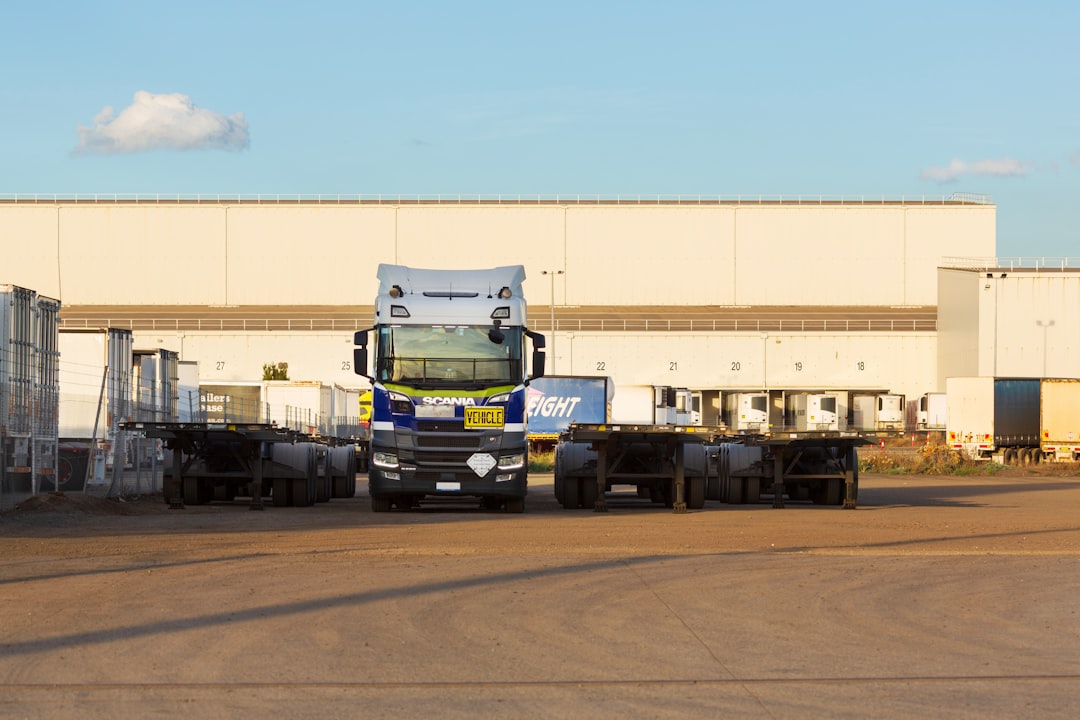 Photo by Troy Mortier
on Unsplash
- Two of the five are about who stands behind you: an overseas maker, or an employee's own car.
- Two are about what the policy describes: a recall it was never written for, and a business that has changed since it was written.
- The fifth is about the numbers you give the insurer, which the year-end audit checks.
Which insurance mistakes do wholesale distributors make most?
Five, each easy to make while the business is busy. The table shows what each can cost and how to fix it.
| Mistake | What it can cost | The fix |
|---|---|---|
| 1. Leaning on the overseas maker's insurance | A claim you pay yourself | Carry your own product liability |
| 2. Staff cars and hired carriers on deliveries | An accident no auto policy answers | Add hired and non-owned auto |
| 3. Assuming liability pays for a recall | Pull-back costs with no policy behind them | Ask about recall cover; write a plan |
| 4. A policy that describes last year's business | A claim the description does not fit | Report each change to your agent |
| 5. Understating sales or payroll | A bill for the difference at the audit | Give true figures from your books |
These five do not repeat the five coverage gaps in a typical wholesale distributor policy, which cover stock, cargo and fire. See also what insurance a wholesale distributor needs. Our guide to why one policy rarely covers the whole business explains the background.
Mistake 1: Can I rely on my overseas maker's insurance?
Not safely. A maker's policy protects the maker, and an injured buyer may be able to reach you when the maker overseas is out of reach.
Picture an importer who buys kitchen gadgets from a factory abroad. The factory sends a certificate showing its own insurance, and she files it away. A customer is hurt by a gadget and the claim names her, the only party in the United States. The factory's policy was written for the factory, and she has no product liability policy of her own, so she pays the claim and the legal bills herself.
For consumer goods made overseas, the importer issues the safety certificate, which puts the importer in the maker's place. (Source: U.S. Consumer Product Safety Commission) For food, the U.S. owner or consignee at entry must check each foreign supplier. (Source: U.S. Food and Drug Administration) So carry your own product liability coverage, and keep the maker's contract, test reports and insurance certificate on file.
What to say to your agent. “I import these goods. Who is the importer of record, and does my policy respond if the maker cannot be reached?”
Mistake 2: Am I covered when staff deliver in their own cars or I hire a carrier?
Often not unless you have added it. A policy written for trucks you own may not answer an accident in a vehicle you do not own.
Picture a distributor who sends a sales rep to drop off samples in his own car, and rents a van for a busy week. The rep causes an accident and the other driver's claim comes to the business. The company's auto policy lists only its own trucks, so the question of who pays lands on the owner.
Hired and non-owned auto coverageHired and Non-Owned Auto Liability coverage for accidents in vehicles your business does not own, such as rentals or an employee's personal car used on a work errand. Insurers call it hired and non-owned auto. more → is designed to fill that gap. It sits on top of your commercial auto coverage and responds to rented vehicles and employees' own cars on work errands. Ask your agent whether it is on your policy, and whether the carriers you hire carry their own insurance.
What to say to your agent. “Do I have hired and non-owned auto, and does it cover staff using their own cars for deliveries?”
Mistake 3: Does my liability coverage pay if I have to pull a product back?
Usually not. Liability coverage pays injured people. The cost of notifying buyers, retrieving and disposing of a product is a separate matter, and recall cover is the policy built for it.
Picture a food distributor whose supplier recalls a spice blend. She must trace it to every customer, collect it and destroy it. Nobody is hurt, so her liability policy may have no injury claim to pay, and she may be left with the retrieval bill.
This applies if you sell food, supplements, own-label goods or children's goods. For food, the law also expects a report to the Food and Drug Administration within 24 hours of finding the food is reportable. (Source: Cornell Legal Information Institute, 21 U.S.C. 350f) Ask what events trigger your recall cover, and write a one-page recall plan before you need it. Our general liability page shows what that policy is built to pay.
What to say to your agent. “Do I have recall cover, what triggers it, and does it pay for retrieval and disposal?”
Mistake 4: Does my policy still describe the business I run today?
Not unless you have told your agent about what changed. A policy is written from a description of your business, and a new product line, supplier country or warehouse can fall outside it.
Picture a distributor who adds a supplements line, moves a third of her purchases to a new source country and opens a second warehouse. Her policy still describes dry goods and one building. When a supplements claim arrives, the insurer can point to the description, and the owner learns her cover never followed the business.
The fix is a short update. Tell your agent about each new product category, country and location, and walk through the list again at renewal. A coverage check after any big change keeps the description current.
What to say to your agent. “Here is what changed this year: new products, new sources, new locations. Does the policy describe all of it?”
Mistake 5: What happens if I report lower sales or payroll to cut the price?
The difference usually comes back at year end. A premium audit is the insurer's check of your real sales and payroll after the policy year.
Picture a distributor who tells the insurer her sales are $3M when the books show $4M, and leaves two warehouse workers off the payroll. The lower price looks good at renewal. At year end the auditor reads her books and bills her for the difference, and an inaccurate application can also create problems at claim time.
Give true figures, and keep payroll by job so each worker lands in the right class. Our premium audit guide lists what the auditor asks for, and our workers' comp page explains how payroll sets that price.
What to say to your agent. “What sales and payroll figures are you using, and how do they compare with my books?”
Common questions about wholesale distributor insurance mistakes
Most do. Mistake 3 applies mainly if you sell food, supplements, own-label goods or children's goods, and mistake 1 if you import.
Adding coverage usually adds cost, because it pays for a new risk. Ask for the price of each fix separately so you can decide which ones are worth it.
At every renewal, and after any big change such as a new product line, supplier country or warehouse.
Check your wholesale distributor policy for these five
Send us your current policy and a short note on what changed in your business, and we will mark which of these five apply.