
Taylor Farms Cyclospora Lettuce Recall:
What It Means for Food Distributors' Insurance
On July 17, 2026, Taylor Farms de Mexico announced it is voluntarily removing all iceberg lettuce sourced from central Mexico from the U.S. market and initiating a recall, after an FDA traceback investigation linked shredded iceberg lettuce to a five-state Cyclospora outbreak — 1,644 reported illnesses and 94 hospitalizations, per FDA's outbreak advisory. Here is what the event touches in a food distributor's insurance program, and what to do now.
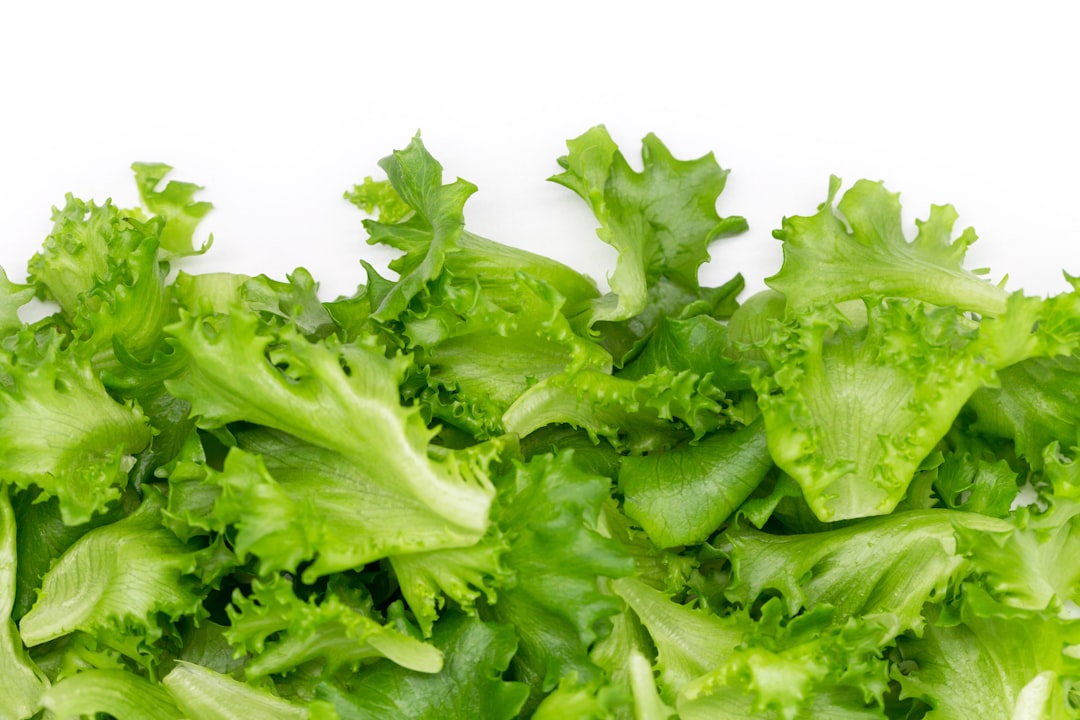
- FDA's traceback converged on a single supplier — Taylor Farms de Mexico — which on July 17, 2026 announced a voluntary market withdrawal of all central-Mexico iceberg lettuce and told FDA it would initiate a recall (FDA outbreak advisory).
- The outbreak count as of the July 17 advisory: 1,644 illnesses, 94 hospitalizations, zero deaths across IN, KY, MI, OH, and WV, with onsets from May 13 to July 13, 2026.
- For distributors and importers in the chain, four coverage lines are in play: product recall/contamination, product liability, business interruption (including contingent BI), and cargo/spoilage — each with different triggers and traps.
- Recall costs are excluded from product liability policies — a distributor without standalone recall coverage absorbs notification, retrieval, and destruction costs out of pocket.
- If you handled implicated product: preserve FSMA traceability records and give carrier notice now — late notice is the most preventable denial ground in recall events.
A five-state Cyclospora outbreak traced to a single lettuce supplier
Per FDA's advisory, the FDA and CDC are investigating a multistate Cyclospora outbreak linked to shredded iceberg lettuce served at Taco Bell locations in Indiana, Kentucky, Michigan, Ohio, and West Virginia. FDA's traceback converged on one supplier — Taylor Farms de Mexico — and on July 17, 2026, the company announced a voluntary U.S. market withdrawal of all central-Mexico iceberg lettuce and informed FDA it would initiate a recall.
Key investigation facts from the advisory: FDA has initiated product sample collection with state partners, increased border screening on implicated products, and Taco Bell has committed to stop using lettuce from the identified supplier. The investigation is ongoing — FDA states that additional brands, restaurants, retailers, or distribution channels may be identified, and that Taylor Fresh Foods has not yet publicly provided distribution information or a customer list for the withdrawn product.
Not just one restaurant chain — the whole produce chain
The named exposure today is one supplier and one restaurant brand in five states. But a market-wide withdrawal of a staple commodity moves through every layer of the produce and food distribution chain: importers of record, distributors, cold-chain carriers, and the restaurants and stores that received implicated lots.
- Produce distributors and wholesalers: any operation that bought, cross-docked, or repacked central-Mexico iceberg lettuce faces retrieval, destruction, and customer-notification work — and possible inclusion in the traceback (see our food distribution insurance guide).
- Importers of record: FSVP importers carry independent FDA duties and apparent-manufacturer liability — the exposure profile in our food importer insurance guide, now plus border-screening delays.
- Restaurants and retail: operators who received implicated lots absorb disposal, substitution costs, and brand-level response obligations.
- Cold-chain carriers and 3PLs: product in transit or in shared cold storage at withdrawal time raises rejection, disposal, and bailee questions (see our cold chain insurance deep-dive).
Four coverage lines this event touches — and how
A recall event of this shape runs through four distinct coverage lines: product recall/contamination insurance for first-party recall costs, product liability for the bodily-injury claims behind 1,644 reported illnesses, business interruption (including contingent BI) for lost income up and down the chain, and cargo/spoilage coverage for product in transit. The analysis below is broker synthesis of how these lines typically respond — policy language controls in every case.
Product recall & contamination insurance
The costs that start immediately — notification, retrieval, freight, destruction, replacement — are first-party recall costs, excluded from standard product liability policies and covered only by standalone recall/contamination insurance. Industry benchmarking cited in our product recall insurance guide puts the average direct cost of a food recall around $10 million (FMI/GMA joint industry study) — an existential number for a mid-size distributor without recall coverage.
Product liability
With 1,644 reported illnesses in the advisory, bodily-injury claims are a certainty somewhere in this chain. Foodborne-illness suits typically name every link — grower, processor, importer, distributor, restaurant — and distributors carry apparent-manufacturer exposure for product sold under their label. Defense begins at tender, so prompt notice matters even for operations that only may have handled implicated lots.
Business interruption — including contingent BI
A distributor whose key SKU disappears mid-season, a repacker idled by a supplier withdrawal: these are income losses covered only if the program includes contingent business interruption (supply-chain BI) — standard BI requires direct physical loss at your own premises, which a supplier's withdrawal is not.
Cargo, spoilage, and rejection
Lettuce in transit at withdrawal time raises rejection at delivery, disposal orders, and spoilage pending disposition. Standard motor truck cargo forms are named-peril and often exclude government-ordered rejection or contamination — endorsements exist for exactly this scenario, and FDA's increased border screening adds delay-driven spoilage exposure for importers.
Two cross-cutting notes: FSMA Food Traceability Rule (Rule 204) record duties become urgent in a traceback — FDA can require record production within 24 hours — and supply agreements routinely push recall costs down the chain through indemnification clauses, so the contract file decides who ultimately pays as much as the policies do. Our claims guide walks the recall-response timeline step by step, and the food distribution FAQ covers recall-notification basics.
Five steps for produce distributors and importers this week
Whether or not you handled Taylor Farms de Mexico product, this event is a live-fire test of your recall readiness. Five concrete steps, in order:
- 1. Trace your exposure today. Check receiving records for central-Mexico iceberg lettuce and any supply relationship to the implicated supplier. FDA notes additional distribution channels may still be identified — assume the named scope grows.
- 2. Preserve records before anything else. Lot codes, bills of lading, temperature logs, receiving/shipping records, customer-level distribution. FDA can demand Rule 204 traceability records on 24-hour turnaround — the same records defend you in litigation.
- 3. Give carrier notice if you touched implicated product. Notify your broker and the recall, product liability, and cargo carriers promptly. Late notice and undocumented disposal are the two most preventable denial grounds in recall claims.
- 4. Pull your supply contracts. Read the indemnification, insurance-requirement, and recall-cost clauses in both directions — what your customers can push to you, and what you can push to your suppliers.
- 5. If you're not affected, use the window. Confirm whether you actually carry recall/contamination coverage, whether contingent BI names your key suppliers, and whether your cargo form covers rejection and contamination. Every one of those is a renewal-time fix that costs a fraction of one event.
The recall question we ask every produce account
A pattern from our food distribution program reviews: strong product liability limits, no recall policy. Owners assume the liability policy "covers a recall" — it covers the injury lawsuits, not the retrieval, destruction, and lost-product costs that arrive first and hit cash flow hardest. In contamination events we've reviewed, the first-party recall bill routinely reached six figures before the first liability claim was filed.
The review question is simple: if your largest supplier announced a market withdrawal tomorrow, which policy pays for pulling, destroying, and replacing the product — and for the income gap while your key SKU is gone? If the answer is "none," that's the gap to close this renewal.
Composite pattern from multiple program reviews; details generalized to protect client confidentiality.
Frequently asked questions about the recall's insurance impact
No. Product liability covers third-party bodily injury and property damage claims — the lawsuits. First-party recall costs (notification, retrieval, freight, destruction, replacement, lost product) are excluded and require standalone product recall/contamination insurance.
Only if your program includes contingent business interruption (supply-chain BI). Standard business interruption requires direct physical loss at your own premises — a supplier's market withdrawal doesn't trigger it. Contingent BI endorsements naming key suppliers are the fix, and they must be in place before the event.
Traceability records first: lot codes, receiving and shipping records, bills of lading, temperature logs, and customer-level distribution — FSMA's Food Traceability Rule contemplates FDA record production within 24 hours. Carriers will additionally want documented disposal (photos, receipts, destruction certificates) and dated notice of when you learned of the event.
Not sure whether this recall touches your program?
Ask how recall, product liability, contingent BI, and cargo coverage interact in a supplier-withdrawal event.
Not sure whether this affects your policy? Have us review it.
We'll check your recall coverage, contingent BI, and cargo forms against exactly this scenario — before the next one.