
My landlord requires insurance for my restaurant depot — what do I actually need?
A lease for a depot warehouse asks for specific commercial coverage, not just "insurance": liability coverage at the limits it names with your landlord added to the policy, property coverage on the racking and build-out you paid for, and often income coverage. Find the insurance clause and any exhibit, match each line to your policies, and send the landlord a certificate with the written add-ons before you take the keys.
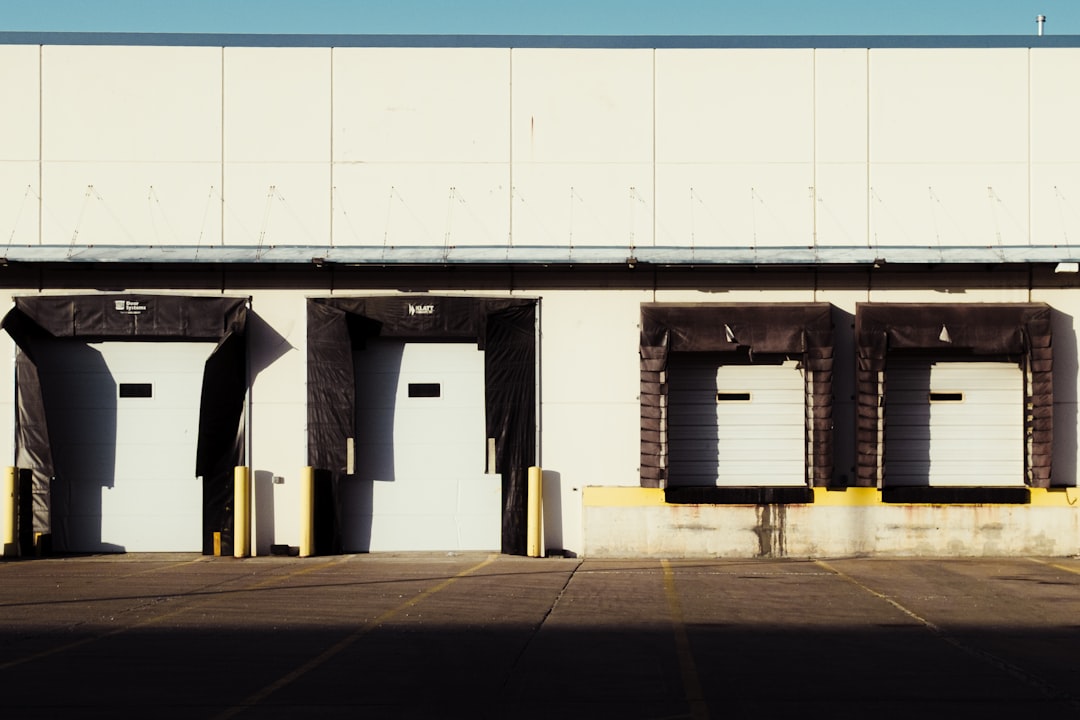 Photo by Matthew Jackson
on Unsplash
- The requirements sit in the insurance clause, the promise to cover the landlord's costs, and often an exhibit. A warehouse lease may add rules for racking, sprinklers, the dock and the parking lot.
- The landlord's protection comes from written add-ons to your policy, not from the certificate. Send both.
- The limit, the notice period and who insures the racking and build-out are often negotiable before you sign.
Where in the lease are the insurance requirements, and what do the words mean?
Usually in three places: an insurance clause that lists the policies and amounts, a separate promise to cover the landlord's costs if your business causes a claim, and an exhibit at the back with exact wording. Three phrases do most of the work: adding the landlord to your policy, giving up your insurer's right to go after the landlord, and the two limit numbers.
Read the clause and the promise together. The promise, which lawyers call the indemnity clause, is what your liability policy has to stand behind. Check your own policy wording and ask your agent. Our general guide to what a landlord can require covers any business.
- Adding the landlord. Your liability policy is extended to cover the landlord for claims from your operations. Insurers call that making the landlord an additional insuredAdditional Insured Another person or business covered under your liability policy for claims tied to your work or property, such as a landlord or general contractor. Insurers call them an additional insured. more →. One industry reference notes that a lease can require a tenant to name the property owner this way. (Source: IRMI)
- Giving up the right to go after the landlord. After paying a claim, an insurer can normally recover from whoever caused the loss. A waiver of subrogationWaiver of Subrogation A policy add-on where your insurer gives up the right to pursue a party you agreed by contract not to blame after a loss. Insurers call it a waiver of subrogation. more → is the insurer's agreement to give that up. (Source: IRMI)
- The two numbers. "$1,000,000 / $2,000,000" means the most the policy pays for one incident and the most it pays for everything in the policy year.
Each add-on is a written change to the policy, and having one does not give you the other.
What does a warehouse lease usually ask for?
Liability coverage at stated per-incident and yearly limits with the landlord added, property coverage on what you own and built, often income coverage, and notice to the landlord before your policy ends. Your lease names its own amounts; read them, don't assume them.
Liability coverage is the one almost every lease asks for. One lease explainer calls it "by far the most common" coverage required in a commercial lease. (Source: Insureon)
- Liability limits on your liability coverage, with the landlord added.
- Property coverage on your stock, racking and equipment. Some leases also make you pay for the landlord's building insurance; read for it.
- Income coverage that keeps rent paid while a covered loss keeps you closed.
- Notice of cancellation, a set number of days' warning to the landlord.
Who insures the racking, the freezers and the build-out?
Whoever the lease says owns them, and the lease is often quiet on it. Settle in writing whether your policy or the landlord's covers the racking, walk-in coolers, loading-dock fittings and sprinkler changes that you paid for.
Tenant-made improvements are a known gray area: one industry reference notes that property policies differ on whether they fall under building or contents coverage, so the value has to sit in the right place. (Source: IRMI) Ask your agent which line yours land on.
Fire rules often come with them. Storage stacked above 12 feet, or 6 feet for high-hazard goods, falls under the model fire code's high-piled storage rules, which tie sprinkler design to the height and kind of stock. (Source: 2021 International Fire Code, chapter 32, as adopted by a local jurisdiction) Many places use a different edition or code, so your local fire marshal confirms the trigger. If you stack higher or change the stock, the landlord's sprinklers may no longer match it. Some policies also require you to keep named safety systems working, a protective safeguard endorsementProtective Safeguard Endorsement A policy add-on requiring you to keep named safety systems, such as sprinklers or a monitored alarm, working, or the insurer may deny a related claim. Insurers call it a protective safeguard endorsement. more →, or the insurer can deny a related claim. Read your property coverage for it.
What about the loading dock and the parking lot?
Leases often make the tenant answer for the dock, the apron and sometimes the shared parking area. That puts vendor drivers, customers and your own delivery trucks inside the liability coverage the landlord asks you to carry.
On a dock, several employers work side by side: yours, the vendors' and the carriers'. OSHA has a multi-employer citation policy for worksites like this, under which more than one employer may be citable for the same hazard. (Source: OSHA) Ask whether the lease holds you to the common areas, and tell your agent if forklifts leave the building.
If you deliver, commercial auto coverage covers the trucks; the lease may ask for it as well.
What should I send back to the landlord?
Send the one-page proof of your coverage, a certificate of insuranceCertificate of Insurance (COI) A one-page proof of your coverage, showing the insurer, policy number, and limits, that you hand to a landlord or client. Insurers call it a certificate of insurance. more →, together with copies of the two add-ons naming the landlord and waiving your insurer's right to go after them. Not the whole policy, and before you get the keys.
A certificate is proof that you hold certain broad categories of coverage and limits. (Source: IRMI) Landlords typically ask for one, and without it a lease application will likely be denied. (Source: Insureon) See what a certificate shows for each box on the form.
Send a fresh one at every renewal and whenever you change insurers, since a new insurer means new add-ons. Before signing, three things are worth raising: the limit (an umbrella may meet a high number more cheaply), the notice period your insurer will actually commit to, and who insures the racking. For the rules underneath a lease, see insurance requirements by state, and if you lease more than one warehouse, one policy or several.
Frequently asked questions about restaurant depot lease insurance
Generally not. The landlord's policy protects the landlord's building and liability. Your stock, your equipment, your lost income and claims against your business need your own policies. Ask your agent to show you where it is written.
The new insurer has to issue its own add-ons naming the landlord, and you send a new certificate. The old add-ons end with the old policy, so ask for the new ones to start when the old policy ends.
You can sign, but most leases require proof of coverage before you take possession. Send your agent the insurance clause and exhibit early, so the policy is built to match it.
Have your lease's insurance clause checked against your policy
Include the insurance clause and exhibit from your lease with your quote request, so the coverage is built to match what the landlord asks for.